 Skip to content

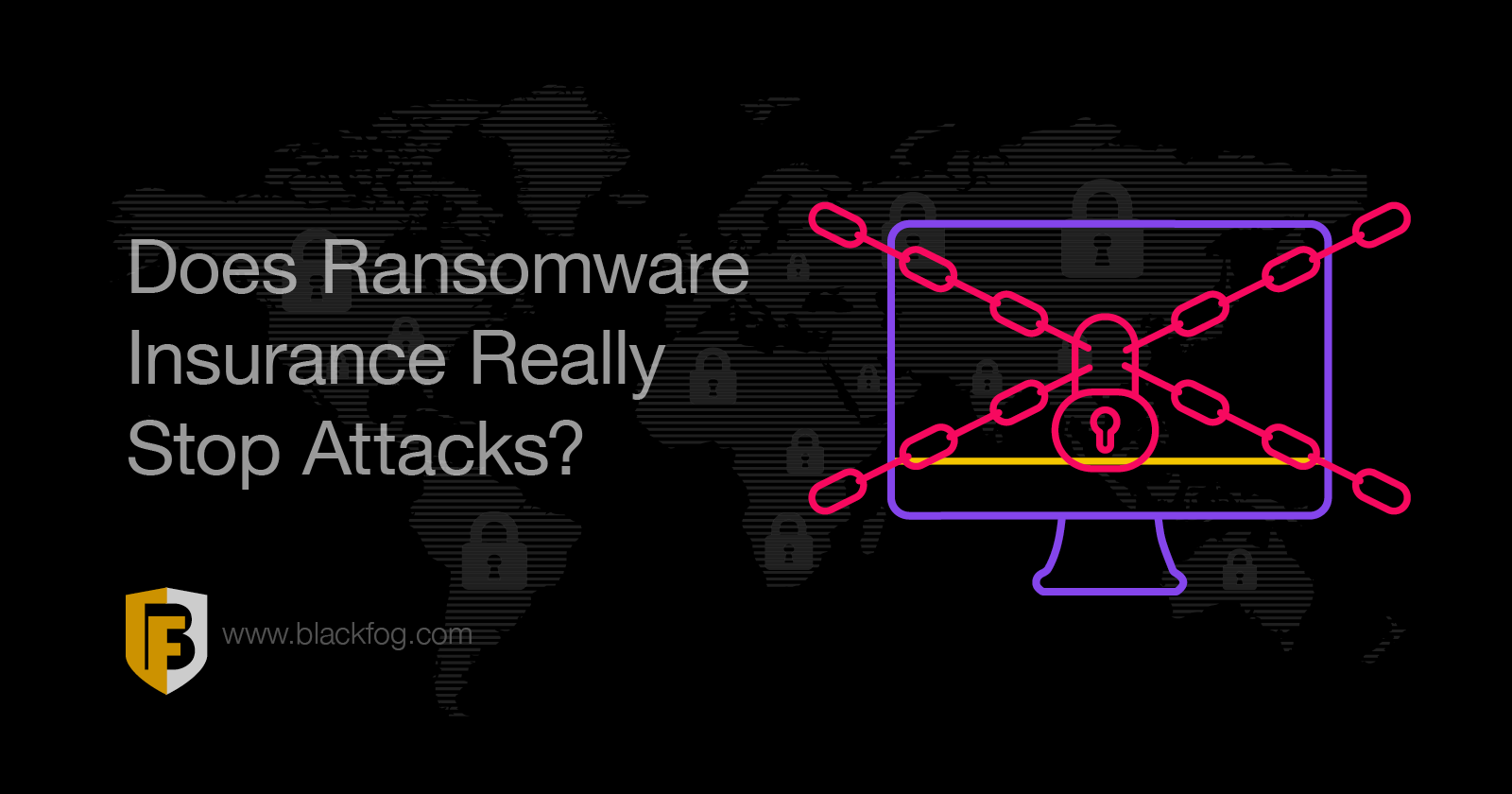
Why Ransomware Insurance Doesn’t Protect Your Business From Attack
With ransomware being a growing threat, businesses around the world will need to make defenses against these risks a high priority if they are to protect themselves from attacks. In addition to security software solutions, many will look to more comprehensive insurance coverage to provide another layer of protection.
Cyber insurance policies are nothing new, but specific provisions to guard against the damage caused by ransomware are a growing area of interest. This could include reimbursement for direct payments, or help with associated costs such as investigations and rebuilding systems.
But how effective are these policies, and what can they do, if anything, to prevent firms from falling victim in the first place?
How Insurance Can Help Cope With the Rising Cost of Data Breaches
One reason why firms will look for cyber insurance that covers ransomware is to cope with the rapidly rising cost of these attacks.
IBM and the Ponemon Institute’s annual Cost of a Data Breach survey for 2022 found that expenses related to these incidents has increased by 13 percent over the last two years, reaching a new high of $4.35 million per incident on average.
Importantly, it also warned that in the case of ransomware attacks, simply paying up is no guarantee that organizations will minimize the financial losses. In fact, taking this route does very little to reduce the overall cost of a breach – and may in the long run lead to higher expenses, especially if it incentivizes repeat attacks.
In this case, any money given to ransomware authors could be better spent hardening defenses and investing in resources that could prevent attacks from occurring in the first place.
Ransomware insurance may therefore play a vital role in recovering from an attack, whether or not direct payments are made. By providing the financial security needed to recover from these attacks, these protections can reduce the pressure on businesses to pay up, as they know they will have a safety net to help with the financial impact of recovering their systems.
Why Ransomware Insurance Can’t Prevent Attacks – and What it Can Do
Ransomware insurance is a reactive solution that helps primarily with the recovery and aftermath of an attack. As a result, it can’t directly prevent attacks. However, this doesn’t mean that having these protections can’t also have an impact on your ransomware prevention strategy.
If firms want to secure ransomware coverage, they’ll have to prove they have implemented adequate defenses to prevent these threats entering their network in the first place. This will be vital in making any successful claim, and as a result, work to improve cybersecurity as a whole.
To ensure that the risks are minimized and their clients are protected, cyber insurance providers work closely with cybersecurity firms in order to ensure that the defenses businesses put in place are up to the job. If done correctly, this will go a long way towards preventing a successful attack.
Choosing a security software solution that is directly approved by these companies can make it much easier to secure coverage at an affordable rate, as well as increasing the chances of a payout in the event of a claim, as firms will be able to demonstrate they have done everything possible to minimize their risk.
The Non-Financial Harm Ransomware can Cause
Even if you are able to get a payout from your ransomware insurance provider for the financial losses these incidents lead to, it’s important to remember that the direct financial impact they can help with only makes up a small part of the bigger picture.
Losses from ransomware and data exfiltration often go far beyond immediate expenses such as rebuilding and strengthening systems, paying security consultants and replacing any compromised hardware. In fact, the reputational, regulatory and legal expenses related to these data breaches can be hugely long-lasting, with it taking many years to recover.
While ransomware insurance can help ease the impact of this, it’s highly unlikely that it will ever fully make up for these losses – especially the lost business that can occur once customers lose trust in a firm’s ability to keep their data safe.
To combat this, it’s vital that firms put in place anti ransomware tools that block attempts before they have a chance to compromise their business. By working with their cyber insurance provider to find approved solutions, organizations can ensure they keep their risk of falling victim to a ransomware attack – and all its related expenses – to a minimum.
Find out more about the role ransomware insurance has to play in keeping firms safe from attack – and what else businesses must do to stay secure.
Learn more about how BlackFog protects enterprises from the threats posed by ransomware.
Share This Story, Choose Your Platform!
Related Posts
Steaelite RAT Enables Double Extortion Attacks from a Single Panel
Steaelite is a newly emerging RAT that unifies credential theft, data exfiltration, and ransomware in a single web panel, accelerating double extortion attacks.
ClawdBot and OpenClaw: When Local AI Becomes A Data Exfiltration Goldmine
ClawdBot stores API keys, chat histories, and user memories in plaintext files, and infostealers like RedLine, Lumma, and Vidar are already targeting it.
West Harlem Group Assistance Stops Ransomware and Cryptojacking with BlackFog ADX
West Harlem Group Assistance secures its community mission by preventing ransomware and cryptojacking with BlackFog ADX.
Why Traditional Security Fails To Deal With Advanced Persistent Threats
Learn why advanced persistent threats remain a growing cybersecurity risk in 2026 and where organizations must focus to address them.
What Does Advanced Threat Protection Really Mean In 2026?
Find out why businesses need advanced threat protection to cope with the new era of sophisticated, persistent cyber risks.
How Can You Prevent Viruses And Malicious Code Today?
Preventing viruses and malicious code is harder than ever in a landscape where APTs are a growing threat. Here's what you need to know to stay safe.