 Skip to content

Managing Ransomware Remediation To Reduce Long-Term Damage
Even the best-prepared organizations cannot guarantee total protection against data breaches. That’s why a clear, actionable ransomware remediation strategy is essential. The faster a business can detect an intrusion or attempted data exfiltration and put in place the right steps to recover, the greater the chance of containing the attack before serious disruption occurs.
Effective ransomware remediation focuses not just on recovery, but on limiting impact across the business. Key elements include rapid containment of infections, fast system restoration, clear communication with stakeholders and meeting all compliance and reporting obligations. Getting these right is critical to an effective ransomware protection program that minimizes long-term damage.
Immediate Response: Contain The Attack
When it comes to ransomware, early detection is everything. If a firm only becomes aware of an attack after receiving a ransom demand, it’s already too late. The key to effective remediation is therefore spotting the breach as early as possible and acting immediately to stop the spread.
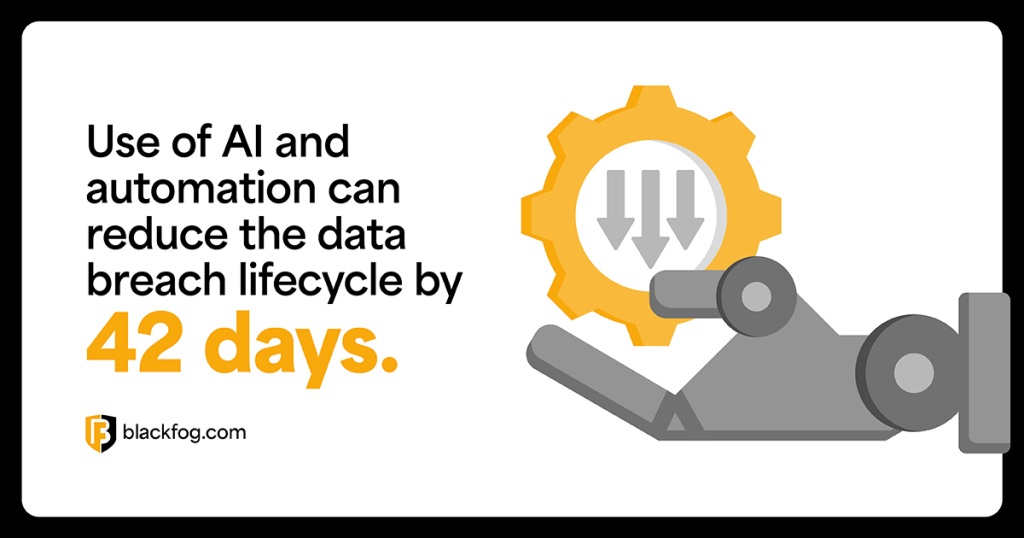
Having the right technology helps immensely. For instance, according to IBM’s 2025 Cost of a Data Breach report, organizations using AI-powered security tools and automated response systems cut their breach response times by an average of 42 days compared with companies that lack these solutions.
However, detection is only step one. After an alert has been received and a breach confirmed, fast, decisive action in the early moments is critical to minimizing impact. Essential immediate containment steps include:
- Disconnecting infected systems from the network.
- Disabling remote access and shared drives.
- Revoking compromised credentials.
- Activating the incident response and recovery plan.
- Notifying internal security teams and key stakeholders.
Assess The Damage And Begin Recovery
Once the immediate threat has been contained, the next step is to fully assess the damage and begin restoring systems. This phase involves both technical investigation and operational recovery and needs to start by ensuring the full scope of the attack is understood.
The more thorough this phase, the lower the risk of reinfection or missed breach indicators. This also helps create a strong foundation for preventing future incidents. Key actions include:
- Identifying which systems were breached, when it happened and how attackers gained access.
- Determining if data was exfiltrated. If so, firms must assess what was taken, whether it includes sensitive or regulated information and its potential value.
- Checking whether exfiltrated data was encrypted – and if not, why not.
- Initiating backup recovery procedures, using clean, tested backups from secure sources.
- Ensuring all affected systems are fully scanned, cleansed and validated before reconnecting to any production network.
- Engaging forensic specialists to trace the attack path, identify vulnerabilities and preserve evidence for legal or insurance needs.
Ransom Considerations: To Pay Or Not To Pay?
Paying a ransom can seem like the fastest way to restore systems and avoid the fallout of leaked data. This may be especially true when sensitive or embarrassing details are at stake. But doing so comes with serious risks. There is no guarantee that encrypted data will be recovered, with the Ponemon Institute claiming only 13 percent of those that paid got all their data back.
Handing over money also means trusting that ransomware groups will keep their word and delete any stolen files, while many victims who pay are attacked again as they have shown to criminals they are a worthwhile target.
Official guidance from both the Cybersecurity and Infrastructure Security Agency and the UK’s National Cyber Security Centre strongly advises against paying. Not only does it encourage further attacks, but it can also expose organizations to legal risk if they are considered to be funding organized crime. Indeed, proposed UK legislation would make it illegal for some organizations, such as critical infrastructure providers, to make ransom payments under any circumstances.
Before considering payment, businesses should consult legal and insurance advisors, weigh reputational and regulatory consequences, and explore all recovery options. A strong backup and remediation plan is often the best alternative to giving in.
Addressing Reputational And Regulatory Fallout
Attempting to cover up a ransomware breach is a high-risk strategy – and almost always the wrong one. Many jurisdictions require mandatory reporting of data breaches, particularly where personal or sensitive information is involved. Failing to do this can lead to fines or even criminal charges.
What’s more, attempts to keep incidents hidden are often rendered futile by double extortion ransomware attacks. Ransomware groups often publish stolen data or contact victims’ customers directly, making concealment impossible.
Therefore, to minimize damage and maintain trust, firms must respond transparently and in line with legal requirements. Proactive, honest communication helps preserve reputation and limit long-term impact, with key steps including:
- Notifying relevant regulatory bodies within required timeframes.
- Informing affected customers, partners and employees clearly and promptly.
- Coordinating messaging with legal, PR and compliance teams.
- Monitoring for leaked data and preparing for follow-up disclosures.
- Documenting all response steps for audit and insurance purposes.
Hardening Systems Against Future Attacks
A ransomware attack should never be treated as a one-off incident. The most resilient organizations use it as a turning point, identifying the root causes, addressing vulnerabilities and strengthening their defenses.
This starts with a thorough forensic audit. Key steps include examining how attackers gained access, which systems were exploited, how long they remained undetected and whether any warning signs were missed. From there, firms must develop a clear remediation plan with timelines, responsibilities and measurable outcomes.
Patching exploited vulnerabilities, updating endpoint protections, tightening access controls, resetting credentials and improving network segmentation are all essential actions. Security training should also be updated to reflect the latest tactics used by threat actors.
Finally, ongoing monitoring and testing are critical. Improvements should be tracked over time to ensure real progress is being made and that the organization is better prepared to withstand future attacks.
Share This Story, Choose Your Platform!
Related Posts

Steaelite RAT Enables Double Extortion Attacks from a Single Panel
Steaelite is a newly emerging RAT that unifies credential theft, data exfiltration, and ransomware in a single web panel, accelerating double extortion attacks.

ClawdBot and OpenClaw: When Local AI Becomes A Data Exfiltration Goldmine
ClawdBot stores API keys, chat histories, and user memories in plaintext files, and infostealers like RedLine, Lumma, and Vidar are already targeting it.

West Harlem Group Assistance Stops Ransomware and Cryptojacking with BlackFog ADX
West Harlem Group Assistance secures its community mission by preventing ransomware and cryptojacking with BlackFog ADX.
Why Traditional Security Fails To Deal With Advanced Persistent Threats
Learn why advanced persistent threats remain a growing cybersecurity risk in 2026 and where organizations must focus to address them.
What Does Advanced Threat Protection Really Mean In 2026?
Find out why businesses need advanced threat protection to cope with the new era of sophisticated, persistent cyber risks.
How Can You Prevent Viruses And Malicious Code Today?
Preventing viruses and malicious code is harder than ever in a landscape where APTs are a growing threat. Here's what you need to know to stay safe.