 Skip to content

7 AI Security Best Practices For Deploying Generative AI In Cyber Teams
Generative AI has become a fixture in the modern security team. Analysts use it to triage alerts, summarize incidents and speed up work that once took hours. However, this speed and convenience can come with a cost. Tools rushed into the stack without proper controls can expose sensitive data and widen the attack surface.
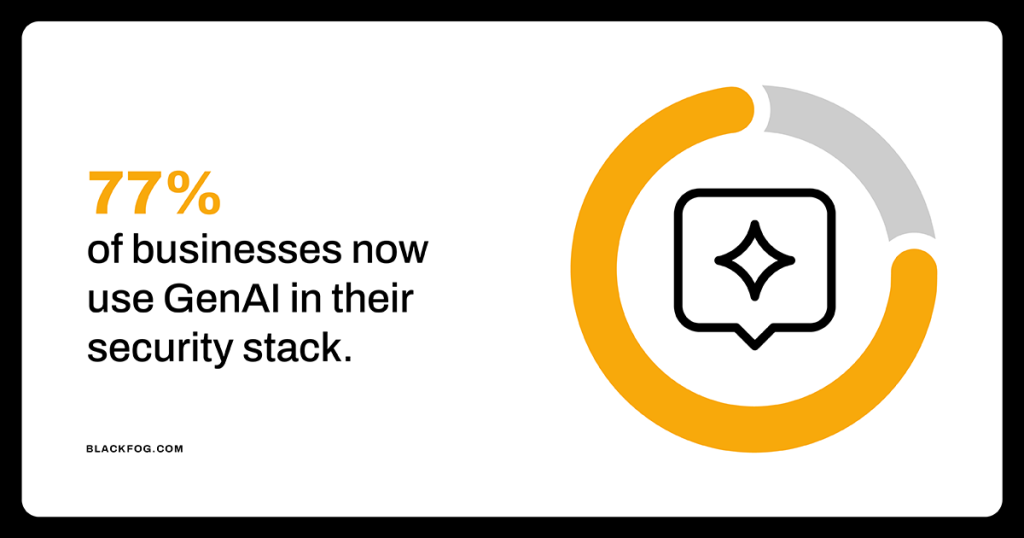
These risks are especially acute as adoption of the technology grows. For instance, one survey by Darktrace indicates that over three-quarters of firms (77 percent) now make use of generative AI as part of their security stack. While the technology can be a major asset if used with care, firms that deploy it carelessly or without oversight can open themselves up to new vulnerabilities.
7 Generative AI Cybersecurity Best Practices To Know
Much of the risk in generative AI comes not from the technology itself, but from how it is deployed. Tools that are added without agreed rules on data, access and oversight often create increased security threats for an organization. A clear plan ensures everyone understands the opportunities and vulnerabilities these tools present and how to close any gaps. Bear in mind the following best practices for deploying generative AI securely.
1. Set A Policy For AI In Security Operations
A usage policy defines which AI-powered threat detection tools analysts may use, for which tasks and on what data. It spells out who is accountable for decision-making when a model informs an investigation and when its output must be checked. Without such documentation, use can vary from analyst to analyst, meaning it may be unclear how AI impacted a response. A clear policy turns scattered experimentation into consistent, accountable practice across the team.
2. Guard Against Prompt Manipulation And Data Exfiltration
Security teams feed sensitive material into AI tools every day, including log extracts, alert detail and content like suspicious emails. There are two key risks associated with this. The first is that sensitive company data can leave the organization through a third-party model. Second, a malicious input can also hijack the model into ignoring instructions or leaking its context. Restricting what reaches external tools and sanitizing untrusted content before analysis keeps both the data and the model under control.
3. Keep Humans In The Loop On AI Outputs
Generative models produce fluent output that can still be wrong. A model might draft a flawed detection rule, misread an alert or recommend containment that disrupts a legitimate system. In security work the cost of acting on a bad output can be high. Every AI-generated finding, rule or response action should be reviewed by an analyst before it takes effect, with the model advising on what course of action to take rather than deciding.
4. Vet AI Tools Before Deployment
Before a generative AI tool joins the security stack, it’s important to assess how it handles the data it touches. For example, ask providers where prompts are processed and stored and if anything is used to train the vendor’s models. Firms also need to be clear on what access platforms require. Approving tools deliberately stops risky ones entering through the back door.
5. Align With Recognized AI Security Frameworks
Rather than devising controls from scratch, security teams should build on established AI security guidelines. Documentation such as the NIST AI Risk Management Framework and ISO/IEC 42001 set out recognized approaches to managing AI risk. Mapping generative AI deployments against these roadmaps gives a clear structure that can be defended to regulators in the event of a data breach, as well as helping keep pace with emerging threats.
6. Log And Audit Every AI Interaction
Every prompt an analyst sends and every output a model returns should be logged. This is particularly vital in cybersecurity operations where accountability and auditability matter. A clear record lets the team reconstruct how AI influenced a decision during an incident review. It also provides the paper trail compliance and regulators expect.
7. Train Analysts On Safe AI Use
Tools are only as safe as the people using them. Analysts need to understand where generative models fail and why an output can look authoritative yet be wrong. They also need to know what data must never be pasted into an external tool, along with how to spot prompt injection in content they analyze. A team that knows the limits of AI will be better able to use it with judgment and confidence instead of misplaced trust.
The Growing Role of Generative AI In Cybersecurity Teams
It’s clear that generative AI is becoming a standard part of the security team’s toolkit, and that trend is unlikely to reverse. As AI security trends continue to reshape how attacks are both initiated and defended, teams that do not have a plan for AI risk falling behind.
The sensible response is neither to rush deployment nor ignore the opportunity. Cybersecurity teams must adopt generative AI with care, guided by clear policy, human oversight and recognized frameworks. Handled correctly, this strengthens a security team and gives them the upper hand in the ongoing battle against threats.
FAQs About AI Security Best Practices
What’s the difference between AI security best practices and an AI usage policy?
Best practices are the broad principles for using AI safely, such as validating outputs and guarding prompt data. A usage policy is the specific document that turns those principles into rules for an organization, naming which tools are approved, for which tasks and on what data.
Do small businesses need formal AI security best practices?
Yes. Smaller teams often adopt AI faster and with less oversight, which raises the risk rather than lowering it. The practices need not be overly detailed, with even a short, agreed set of rules on tools, data and review giving a small business meaningful protection.
How often should AI security best practices be reviewed?
At least annually, and after any significant change, such as a new tool, an emerging threat or a shift in regulation. Generative AI moves quickly, so practices set a year ago can miss risks that did not exist then. Regular review keeps them matched to how the technology is actually used.
Does using an approved AI tool remove the need for monitoring?
No. Approval confirms a tool is safe to adopt at a point in time. It does not track how the tool is used afterward, whether staff feed it sensitive data or whether the vendor changes how it processes information. Ongoing monitoring is what catches those issues.
Share This Story, Choose Your Platform!
Related Posts
What Are The Advantages Of Using AI In Intrusion Detection?
Explore the advantages of AI in intrusion detection, from faster analysis and greater scale to identifying previously unseen attack patterns.
How Can Cybersecurity Professionals Defend Against Threats Posed By Malicious AI Tools?
Learn how cybersecurity professionals can defend against malicious AI tools with AI-specific monitoring, least-privilege access and outbound visibility.
Are There Any Government Policies On Using AI For Cybersecurity?
Learn how the EU AI Act and US NIST frameworks address the use of AI in cybersecurity and what their different approaches mean for businesses.

Can AI Be Used To Effectively Prevent Cyberattacks?
AI helps prevent cyberattacks by spotting threats without known signatures, but it works best alongside human oversight, governance and a layered strategy.

How Is GenAI Transforming Cybersecurity Strategies?
GenAI is reshaping cybersecurity strategy, from faster alert triage and incident response to the consolidation of tools into fewer platforms.
What Are the Main Security Risks Associated With Generative AI?
Generative AI security risks: data leakage, hallucination-driven errors and adversarial misuse. Learn the threats and how to mitigate them.