 Skip to content


A newly discovered command-and-control (C2) framework called Lotus C2 has surfaced on underground networks. It’s marketed as if it were a legitimate security testing platform, but in reality Lotus C2 functions as a comprehensive cybercrime toolkit. Lotus C2 provides attackers with a user-friendly interface to conduct a wide range of malicious activities, from stealing credentials and sensitive files to executing commands across multiple systems, all while evading detection.
Marketed as Legitimate on Underground Forums
On underground forums, it’s common for sellers to describe offensive tools using professional security language. Lotus C2 follows that same pattern. The seller calls it a “professional C2 framework” for validating defensive controls and running simulated attacks, and claims it is only for “vetted professionals,” despite being offered in cybercrime spaces.
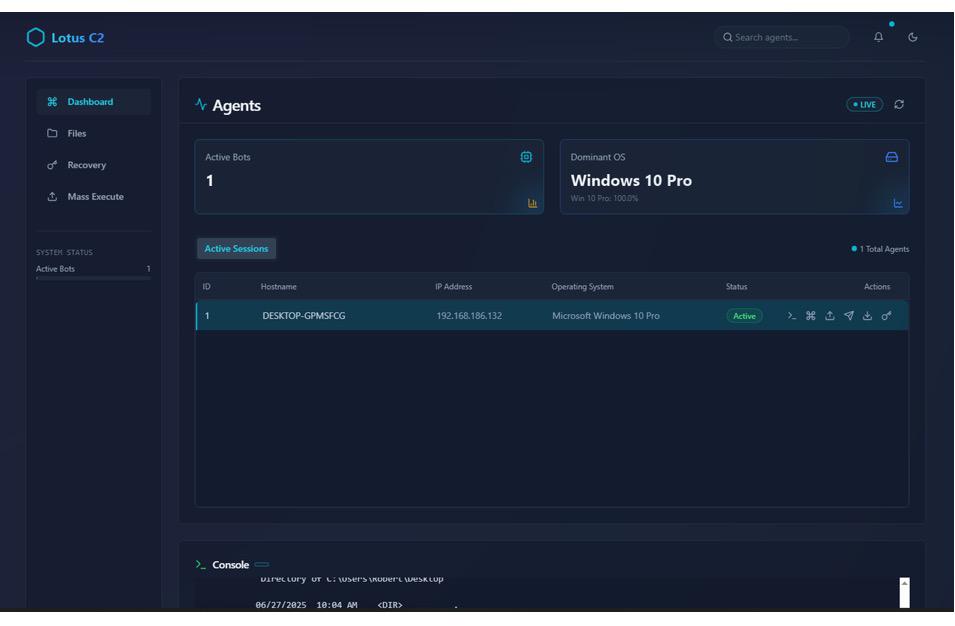
Figure 1. Agents dashboard listing active bots and target host details.
Lotus is sold through a subscription model with tiers.
The professional tier is listed at $45 per month and includes payload execution, shell access, and file transfer. The premium enterprise tier is listed at $149 per month and adds more clearly malicious features, including antivirus evasion, persistence mechanisms, and bulk credential theft.
Credential Harvesting Made Easy
Lotus C2 comes with a dedicated credential theft module that enables the exfiltration of passwords and authentication tokens from victim machines. With a command in the Lotus console, an operator can instruct an infected agent to dump saved credentials from common applications and web browsers. The platform has built-in functionality to extract logins from software like Chrome, Firefox, Discord, Telegram, and more, aggregating all the harvested data in its web GUI.
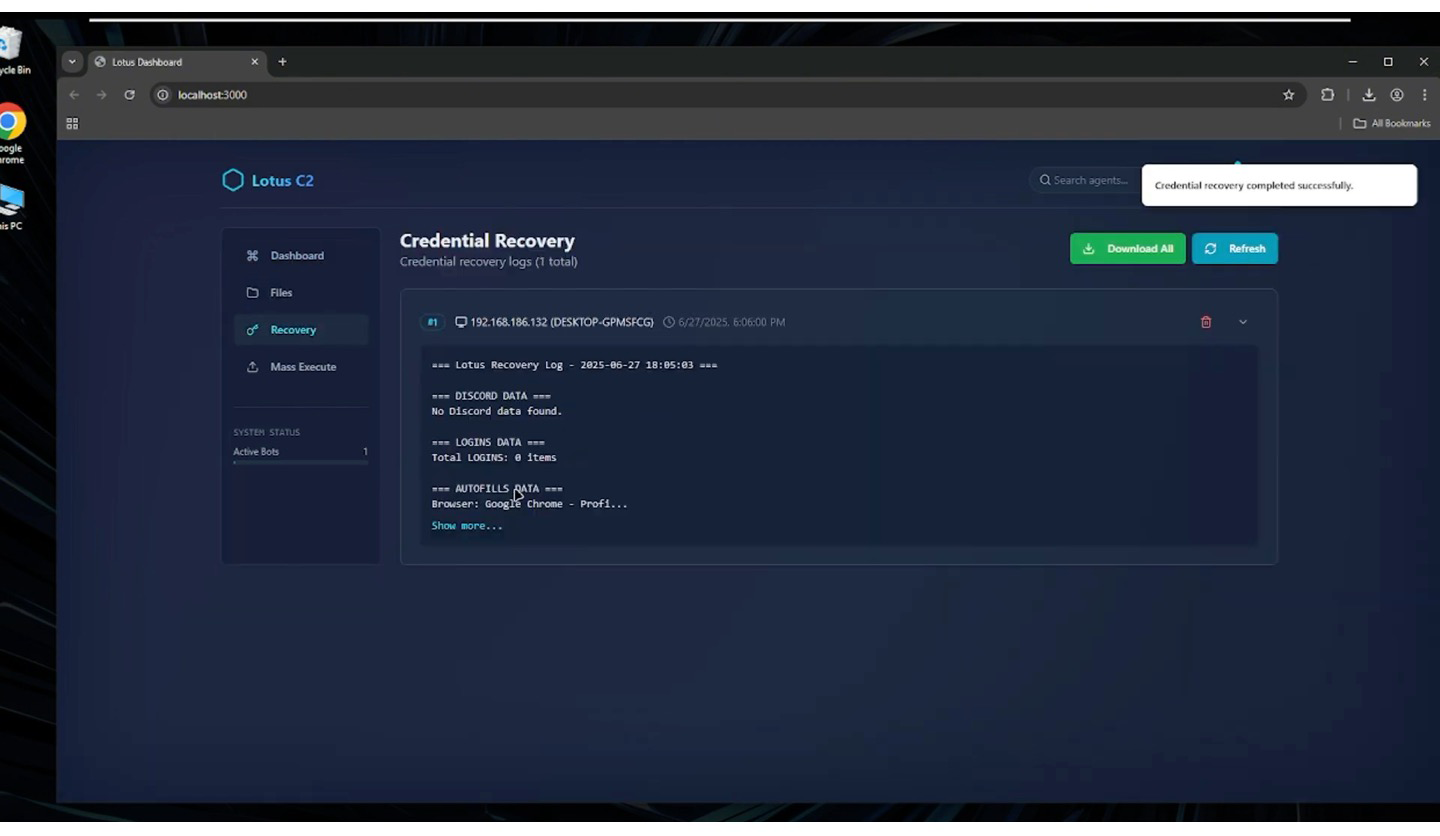
Figure 2. Credential recovery displaying harvested logins from an infected host.
This aspect is quite problematic. It means that if an attacker compromises a system, they can vacuum up a trove of passwords within seconds. Those stolen credentials can then be leveraged to move laterally through different networks, escalate privileges, or be sold on underground markets.
File Theft and One-Click Data Exfiltration
Another feature of Lotus C2 is its ability to move files from an infected machine via a point-and-click web interface. Through the platform’s files module, an attacker can remotely browse directories on the victim host, select files of interest, and download them to their own system, all without the user’s knowledge.
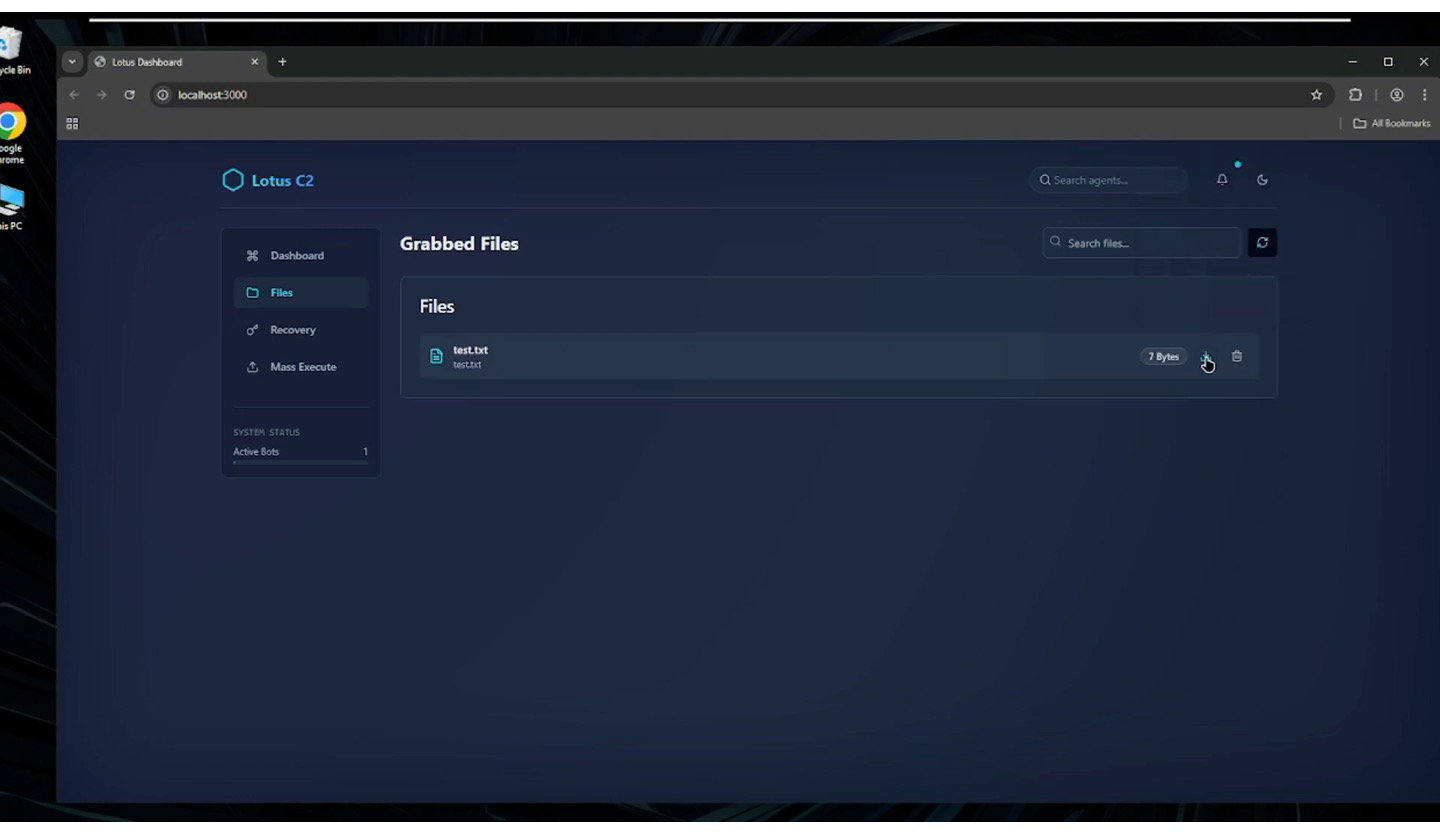
Figure 3. “Grabbed files” view used to browse and pull files from a victim machine.
In essence, once Lotus C2 is running, every compromised endpoint becomes an open file share for the attacker, who can pick sensitive documents, databases, or any other data of value.
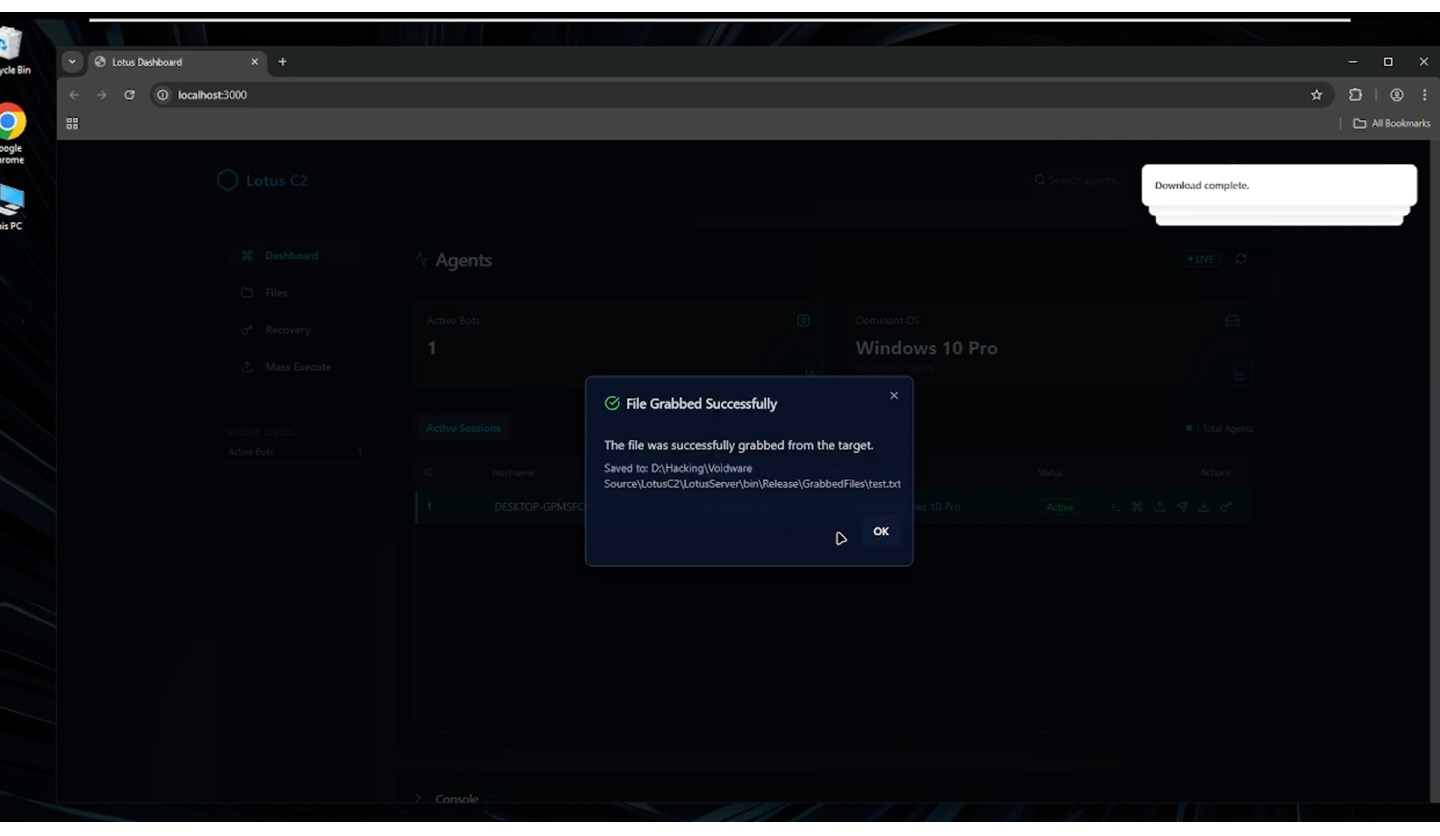
Figure 4. Pop-up confirming a file was successfully grabbed from the target.
For cybersecurity experts, this means that once Lotus C2 is running on a host, traditional data loss prevention (DLP) mechanisms may be bypassed. The tool uses common protocols or encrypted channels to pull files out, blending with normal traffic.
Security teams should monitor for unusual outbound transfers or archive files being sent out, as an attacker might compress multiple stolen files for exfiltration. Telltale signs like command-line archive utilities or unexpected network destinations can be useful to watch for.
Mass Execution for Widespread Impact
Beyond individual machines, Lotus C2 can function like a botnet controller by enabling mass execution of malware or commands across all compromised hosts. Its “mass execute” feature allows an operator to push out a payload or run an arbitrary command on dozens of infected agents simultaneously. In a large-scale breach scenario, this could be used to deploy ransomware on every infected endpoint at once or to launch a coordinated destructive action on many systems in parallel.
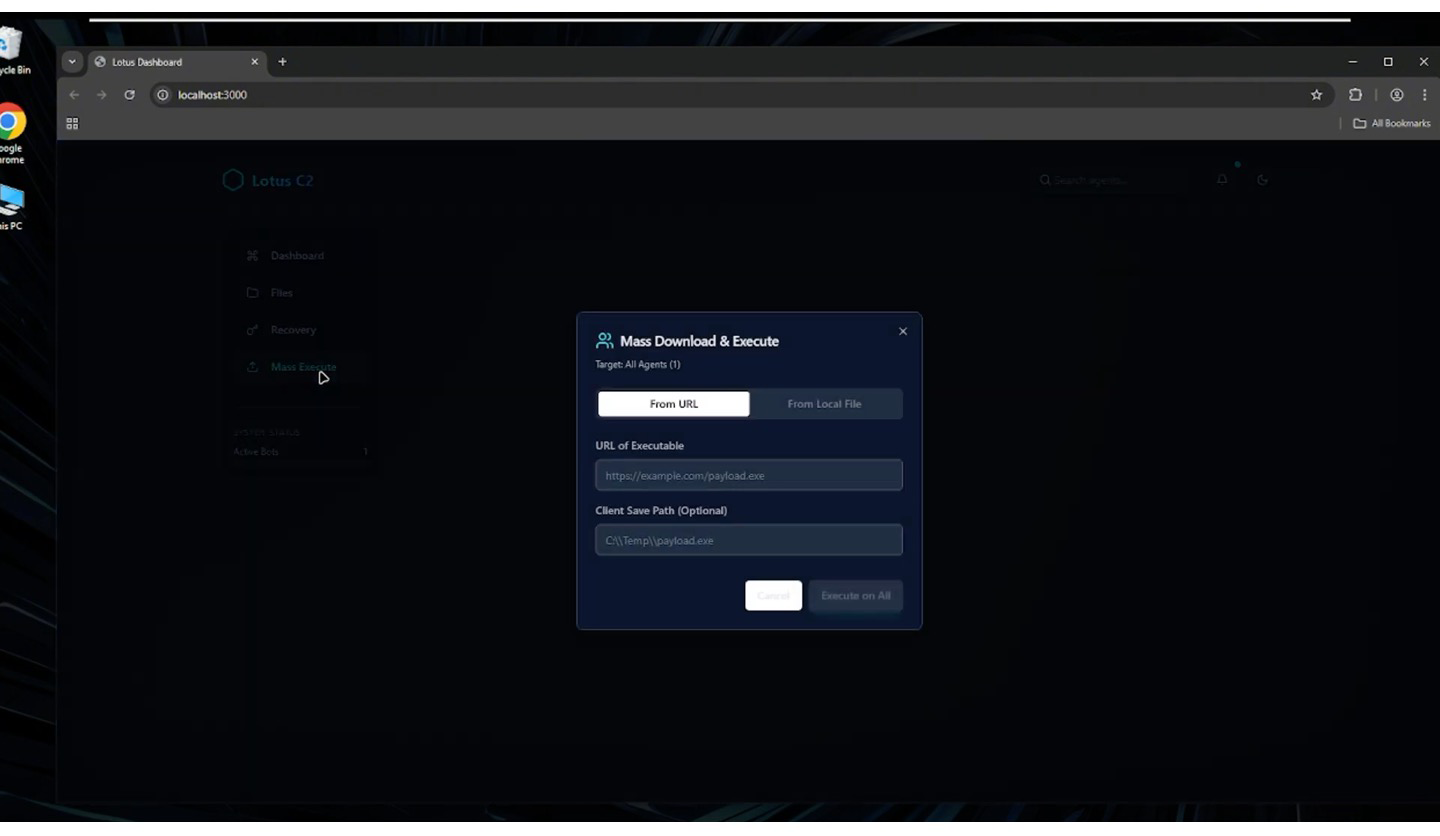
Figure 5. “Mass download & execute” dialog for pushing payloads to multiple agents.
This broad control essentially gives a single attacker the power to orchestrate a widespread cyber attack with minimal effort. If multiple computers in an organization are compromised with Lotus C2 agents, the threat actor can detonate a payload on all of them at the same time, whether that means encrypting files across the company (ransomware), silently installing cryptocurrency miners on each system, or leveraging the collection of PCs for a massive DDoS attack.
Built-In Evasion to Avoid Detection
Lotus can tamper with Windows Defender settings and employs in-memory execution (process hollowing) to avoid writing malicious payloads to disk. It also advertises user-land API cloaking, hiding its files and processes from standard tools. These are capabilities typically seen in advanced threat malware and red team tools like Cobalt Strike.
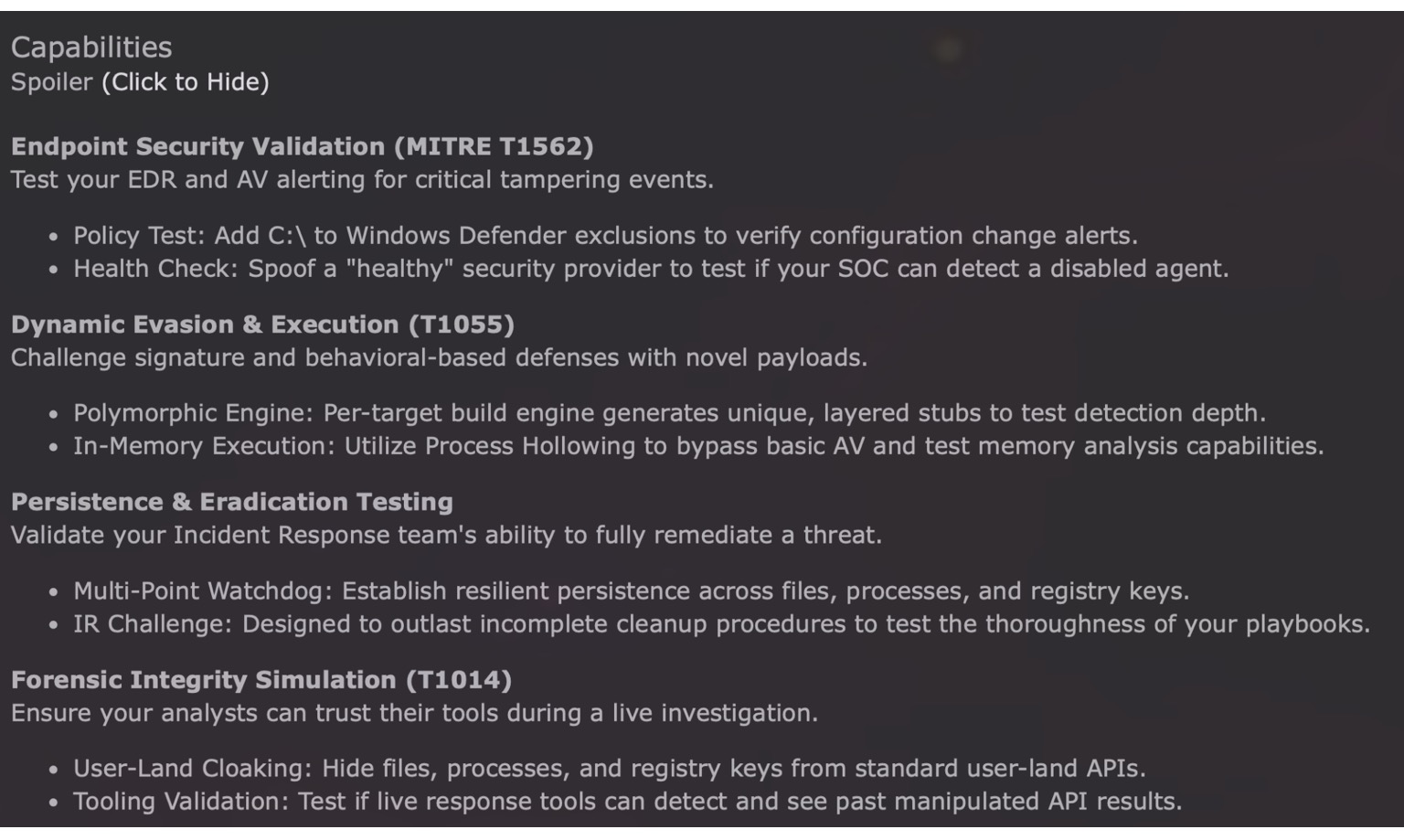
Figure 6. A capability list advertising evasion and persistence features.
In practice, this means an attacker using Lotus C2 might successfully install the agent on a host without triggering antivirus or EDR alerts. The polymorphic payload generator in Lotus creates unique stubs for each target, so signature-based detection is less effective.
Stopping Data Exfiltration at the Source
Lotus C2 is a good example of how polished cybercrime tooling has become. Credential theft, file access, mass execution, and evasion are bundled into a single platform that is easy to operate.
This is where solutions like BlackFog come into play.
BlackFog’s approach focuses on preventing unauthorized data exfiltration in real time, shutting down illicit outbound transfers before sensitive information can be stolen.
Even if an attacker gets a Lotus C2 agent running on an endpoint, BlackFog’s anti data exfiltration technology would detect and block the unusual data egress, neutralizing the threat’s end goal.
It’s a proactive layer of defense that complements endpoint protection by ensuring that even stealthy C2 tools cannot easily smuggle your data out.
Share This Story, Choose Your Platform!
Related Posts
The State of Ransomware: February 2026
BlackFog's state of ransomware February 2026 measures publicly disclosed and non-disclosed attacks globally.

Steaelite RAT Enables Double Extortion Attacks from a Single Panel
Steaelite is a newly emerging RAT that unifies credential theft, data exfiltration, and ransomware in a single web panel, accelerating double extortion attacks.
ClawdBot and OpenClaw: When Local AI Becomes A Data Exfiltration Goldmine
ClawdBot stores API keys, chat histories, and user memories in plaintext files, and infostealers like RedLine, Lumma, and Vidar are already targeting it.

West Harlem Group Assistance Stops Ransomware and Cryptojacking with BlackFog ADX
West Harlem Group Assistance secures its community mission by preventing ransomware and cryptojacking with BlackFog ADX.
Why Traditional Security Fails To Deal With Advanced Persistent Threats
Learn why advanced persistent threats remain a growing cybersecurity risk in 2026 and where organizations must focus to address them.
What Does Advanced Threat Protection Really Mean In 2026?
Find out why businesses need advanced threat protection to cope with the new era of sophisticated, persistent cyber risks.