 Skip to content

Navigating Essential Cybersecurity Compliance Standards: What To Know
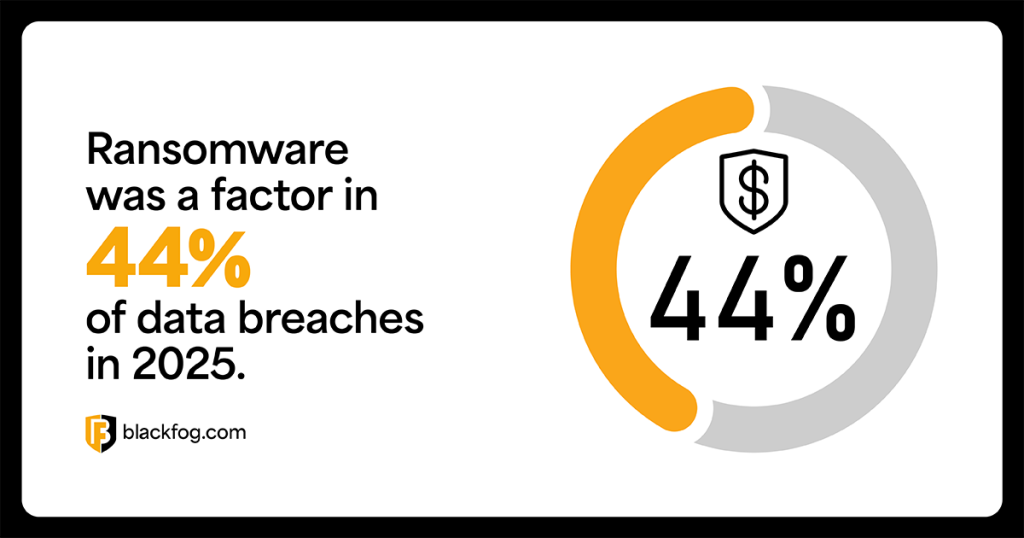
Cyberthreats are intensifying in both scale and sophistication, with the exfiltration of data for use in extortion now a common theme. Verizon’s 2025 Data Breach Investigations Report, for instance, found that ransomware was present in 44 percent of all breaches analyzed. Sensitive data like healthcare records, financial details and intellectual property are especially valuable for hackers when it comes to launching ransomware, as many companies will pay up to avoid public disclosure of such details.
Against this backdrop, cybersecurity compliance standards have become essential to reducing exposure to such threats and demonstrating accountability. Yet this landscape is complex. Organizations must navigate a mix of mandatory regulatory requirements and voluntary best practice frameworks, each with distinct expectations. Understanding how these standards align is critical to protecting sensitive data, meeting stakeholder demands and securing long-term business resilience.
What Are Cybersecurity Compliance Standards?
Cybersecurity compliance standards are structured frameworks and regulatory requirements that define what organizations should do to protect their systems, networks and sensitive data from cyberthreats. They establish baseline security controls, governance expectations and risk management practices designed to reduce the likelihood and impact of data breaches.
These standards provide a consistent methodology for identifying risks, implementing safeguards and demonstrating accountability to regulators, customers and partners. As cyberthreats grow more sophisticated and legal obligations expand, compliance standards form a critical component of enterprise risk management, helping organizations align security strategy with operational resilience and long-term business protection.
Mandatory Vs Voluntary Standards: Understanding The Difference
Not all cybersecurity compliance standards carry the same weight. Some are mandatory, meaning they are required by law, regulation or contractual obligation. Others are voluntary frameworks that organizations adopt to demonstrate best practice and strengthen their security posture.
Mandatory standards have direct legal and financial consequences if ignored, which can range from fines to losing the ability to do business. These typically apply to specific industries or data types. Examples include HIPAA for healthcare organizations, PCI-DSS for businesses handling payment card data and CMMC for companies within the US defense supply chain.
Voluntary standards, while not legally required in most cases, are widely recognized benchmarks for security maturity. Frameworks such as NIST, ISO 27001 and SOC 2 help organizations implement structured controls, support audit readiness and build trust with customers and enterprise partners.
Understanding the distinction matters. Regulatory compliance protects against penalties, while voluntary alignment strengthens credibility, competitiveness and long-term resilience.
What Are The Most Common Cybersecurity Compliance Frameworks And Standards?
While cybersecurity compliance standards vary in scope and industry focus, several frameworks are widely recognized across sectors. Understanding who they apply to, how they are governed and what they require helps organizations determine which standards are relevant to their operations.
HIPAA
The Health Insurance Portability and Accountability Act applies to healthcare providers, insurers and business associates handling protected health information. Enforced by the US Department of Health and Human Services, it mandates administrative, technical and physical safeguards, restrictions on how data can be stored and shared, breach notification procedures and documented risk assessments to protect patient data.
PCI-DSS
The Payment Card Industry Data Security Standard applies to any organization that stores, processes or transmits cardholder data. Managed by the PCI Security Standards Council and enforced by payment brands, it requires strict access controls, encryption, network security measures and regular vulnerability testing. Failure to uphold its key principles can result in businesses being refused access to critical payment infrastructure.
CMMC
The Cybersecurity Maturity Model Certification applies to contractors within the US Department of Defense (DoD) supply chain. Overseen by the DoD, it establishes tiered security requirements based on data sensitivity. Certification at the required level is mandatory for eligibility to bid on defense contracts.
NIST Cybersecurity Framework
Developed by the National Institute of Standards and Technology, NIST provides voluntary guidance widely adopted across industries and often required in federal contracts. It structures cybersecurity around six key pillars for managing information security compliance: Govern, Identify, Protect, Detect, Respond and Recover. These emphasize risk management and continuous improvement.
ISO 27001
ISO 27001 is a global standard published by the International Organization for Standardization. It applies to organizations seeking formal certification of their information security management system. Many large enterprises make ISO 27001 compliance mandatory for any firms they do business with, making it essential for smaller supply chain organizations. It requires documented risk management processes, internal audits and continual improvement to maintain certification.
SOC 2
SOC 2 is an auditing framework developed by the American Institute of Certified Public Accountants. It is commonly adopted by technology and service providers. Independent third-party audits assess controls related to security, availability, processing integrity, confidentiality and privacy.
Why Following Both Regulatory And Best Practice Standards Is Beneficial
Mandatory cybersecurity standards carry clear legal and contractual consequences. Failure to comply can result in fines, loss of operating licenses or exclusion from key markets. However, voluntary best practice frameworks should not be treated as secondary priorities.
Adopting standards such as NIST or ISO 27001 strengthens internal governance, improves visibility into how sensitive data is handled and creates structured accountability across the organization. These frameworks often address gaps that regulatory mandates may not explicitly define.
By aligning with both regulatory and voluntary standards, businesses enhance credibility with customers and enterprise partners, improve data governance maturity and reduce the likelihood of incidents such as ransomware or data exfiltration. Together, they support stronger risk management and long-term operational resilience.
Where To Start: Practical Guidance For Organizations
For organizations unsure where to begin, the first step is clarity. Identify which regulatory standards apply based on your industry, geography and the type of data you process. Conduct a formal risk assessment to understand where sensitive information resides and how it is protected.
Next, map existing controls against required regulatory safeguards and identify gaps. Prioritize high-impact measures such as access controls, encryption and monitoring of sensitive data flows. Document policies clearly and assign executive accountability for oversight.
Beyond minimum legal requirements, align controls with recognized best practice frameworks to strengthen governance and close security blind spots. Regular reviews, employee training and tested incident response plans ensure compliance remains active, measurable and resilient as threats evolve.
Cybersecurity Compliance Standards FAQs
How do companies keep up with evolving cybersecurity compliance standards?
Organizations monitor regulatory updates, subscribe to industry alerts and conduct regular compliance reviews. Many rely on legal advisors, managed security providers or vCISO services to track changes and adjust policies, controls and documentation accordingly.
Which cybersecurity compliance standards are most commonly adopted in the US?
Common standards include HIPAA for healthcare, PCI-DSS for payment processing, CMMC for defense contractors and voluntary frameworks such as NIST, ISO 27001 and SOC 2 for broader governance and enterprise credibility.
What happens if an organization does not align with required compliance standards?
Failure to comply can result in regulatory fines, legal action, contract termination, reputational damage and exclusion from regulated markets or enterprise supply chains, significantly increasing long-term operational and financial risk.
Share This Story, Choose Your Platform!
Related Posts

What Enterprises Need To Know About Cyber Governance, Risk And Compliance
Learn all about cyber governance, risk and compliance in 2026 and why this must be a consideration at the highest levels of all organizations.
Navigating Essential Cybersecurity Compliance Standards: What To Know
There are a range of cybersecurity compliance standards firms of all sizes must deal with, including mandatory and voluntary frameworks. Here's what you need to know.
Understanding The Requirements Of Information Security Compliance
Learn precisely what information security compliance entails and the various steps that go into making this effective.

The Importance Of Effective Cybersecurity Services For Small Businesses
Find out why cybersecurity services for small businesses are more in-demand than ever as cybercriminals shift their focus to less-sizable enterprises.
Cybersecurity Compliance: What You Need Without Hiring A CISO
Find out what's required to ensure cybersecurity compliance and how this can be achieved without the need for a full-time CISO.
How Cybersecurity Startups Manage Compliance And Security Certifications
For cybersecurity startups, prioritizing compliance early builds trust, accelerates growth, and ensures security standards align with evolving threats and customer expectations.