 Skip to content

Understanding The Requirements Of Information Security Compliance
Information security compliance is now a defining business requirement across all industries. As regulators introduce stricter data protection laws and enterprise partners demand greater transparency, organizations are under growing pressure to demonstrate that sensitive information is properly safeguarded. These standards exist to reduce the risk of data breaches, prevent unauthorized access and protect personal, financial and operational data from misuse. Therefore, they cannot be taken lightly.
Yet for many businesses, particularly smaller firms or those without dedicated security expertise, navigating the cybersecurity compliance landscape can be complex. Frameworks, standards and audit expectations often appear technical and fragmented. Understanding what is required, how controls translate into daily operations and how to maintain compliance over time can be challenging without structured guidance and oversight.
Understanding Where Information Security Compliance Fits Into Businesses
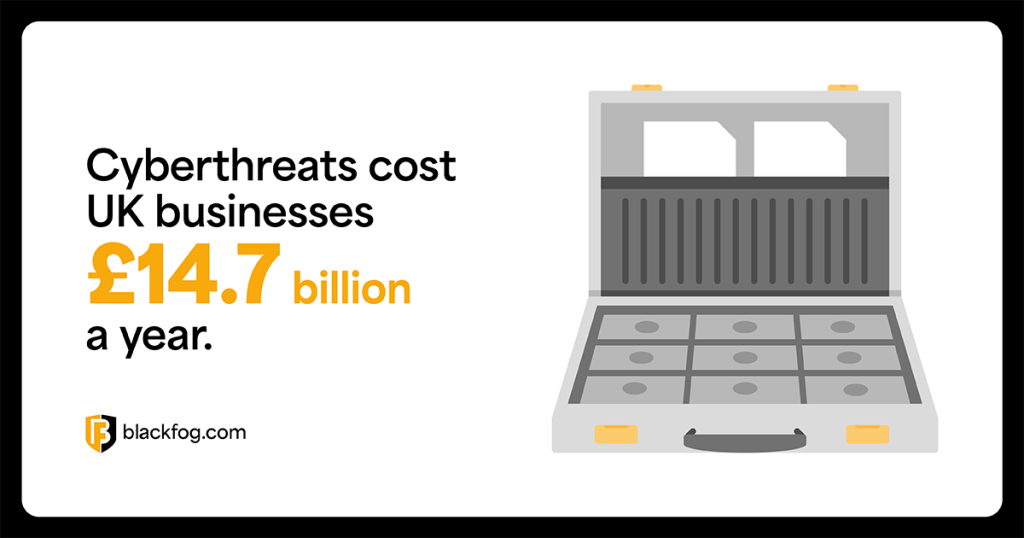
Information security compliance matters as it is an essential step in preventing costly data breaches. In the UK, for example, half of all small businesses suffered a cyber breach or attack in the last 12 months, with the problems costing the country £14.7 billion ($19.83 billion) a year.
The term refers to the process of ensuring that an organization’s policies, controls and practices are designed to protect sensitive information in line with established cybersecurity standards and legal requirements. At its core, it focuses on safeguarding the confidentiality, integrity and availability of data. Confidentiality ensures information is accessible only to authorized individuals. Integrity protects data from unauthorized alteration. Availability ensures systems and information remain accessible when needed.
It is closely related to broader cybersecurity and regulatory compliance, but it is not identical. Regulatory compliance centers on meeting specific legal mandates, while cybersecurity compliance addresses the wider protection of networks, systems and digital assets. Information security compliance, meanwhile, concentrates specifically on how data is handled, stored, accessed and protected across its lifecycle, regardless of format. This provides the foundation upon which other cybersecurity and regulatory requirements are built.
Core Controls Required For Information Security Compliance
Effective information security compliance requires a coordinated set of controls that address how data is governed, accessed and protected across the organization. This includes technical solutions that secure systems and networks, administrative controls that define policies and accountability, and physical protections that prevent unauthorized access to facilities and devices. Together, these measures create a structured framework that supports confidentiality, integrity and availability.
Administrative Controls
Administrative controls form the governance foundation of information security compliance. They define how security is managed, who is accountable and how risks are assessed and documented. Rather than focusing on technology alone, these controls establish the policies, procedures and oversight mechanisms that ensure security practices are consistent, enforceable and aligned with compliance requirements. They include:
- Risk assessments: Conduct regular evaluations to identify threats, vulnerabilities and potential business impact.
- Documented policies and procedures: Establish clear guidelines for data handling, access control and incident response.
- Security awareness training: Educate employees on phishing, data protection responsibilities and acceptable use policies.
- Vendor risk management: Assess third-party providers to ensure they meet required security standards.
- Governance and accountability: Assign defined roles and leadership oversight for maintaining compliance.
Technical Controls
Technical controls are the safeguards implemented through technology to protect data from unauthorized access, alteration or loss. These controls ensure security policies are enforced and reduce exposure to cyberthreats. They play a critical role in maintaining the confidentiality, integrity and availability of sensitive information. Essential elements include:
- Access controls and identity management: Restrict system access based on user roles and apply strong authentication mechanisms.
- Encryption: Protect sensitive data in transit and at rest to prevent unauthorized disclosure.
- Endpoint protection and anti data exfiltration solutions: Detect and prevent malware, ransomware and unauthorized data transfers.
- Network security controls: Deploy firewalls, intrusion detection systems and segmentation to limit lateral movement.
- Logging and continuous monitoring: Track system activity to identify suspicious behavior and support audit readiness.
Physical Controls
Physical controls protect the tangible assets that store or provide access to sensitive information. While often overlooked in digital security discussions, they are an essential component of information security compliance. Unauthorized physical access can compromise systems just as effectively as a remote cyberattack. Important steps include:
- Secure facilities: Restrict access to offices, data centers and server rooms using locks, badges or biometric controls.
- Device security: Protect laptops, servers and removable media from theft or tampering.
- Environmental safeguards: Use fire suppression, climate control and backup power to protect critical infrastructure.
Major Frameworks That Translate Into Practical Safeguards
Information security compliance is often guided by established frameworks that provide structured standards for protecting data. While these frameworks differ in scope and application, they all translate into practical safeguards that strengthen confidentiality, integrity and availability.
- NIST Cybersecurity Framework: Widely adopted across industries and often required for federal contractors, NIST provides guidance across identify, protect, detect, respond and recover functions. It translates into risk assessments, access controls and continuous monitoring.
- ISO 27001: An international standard focused on building an information security management system. It requires documented policies, risk management processes and regular audits to maintain certification.
- HIPAA: Applies to healthcare organizations handling protected health information and mandates administrative, technical and physical safeguards.
- SOC 2: Common for service providers and SaaS firms, SOC 2 evaluates controls related to security, availability and confidentiality through independent audit.
A Practical Checklist For Information Security Compliance
Information security compliance is not achieved through documentation alone. It requires structured action, continuous oversight and measurable safeguards that protect sensitive data at every stage of its lifecycle. The following checklist outlines the core steps organizations should take to align with major frameworks and ensure information remains secure. Together, these measures create a defensible and sustainable compliance posture.
- Conduct formal risk assessments and document findings.
- Inventory and classify sensitive data across systems.
- Implement role-based access controls and strong authentication.
- Encrypt sensitive data in transit and at rest.
- Deploy endpoint protection and anti data exfiltration safeguards.
- Establish logging, monitoring and regular audit reviews.
- Maintain documented policies and employee training programs.
- Test incident response and recovery procedures regularly.
- Review and update controls annually to reflect evolving risks.
FAQs On Information Security Compliance
What is information security compliance?
Information security compliance is the process of ensuring an organization’s policies, controls and practices protect sensitive data in line with recognized standards and legal requirements, safeguarding confidentiality, integrity and availability.
What are the legal requirements of information security compliance?
Legal requirements vary by industry and jurisdiction, but often include data protection laws, breach notification obligations and sector-specific mandates such as HIPAA. Organizations must implement safeguards and demonstrate accountability through documentation and oversight.
What technical measures do organizations use to ensure compliance with information security?
Common measures include role-based access controls, multi-factor authentication, encryption, endpoint protection, anti data exfiltration tools, continuous monitoring, logging and regular vulnerability assessments to prevent unauthorized access and data loss.
Share This Story, Choose Your Platform!
Related Posts
What Enterprises Need To Know About Cyber Governance, Risk And Compliance
Learn all about cyber governance, risk and compliance in 2026 and why this must be a consideration at the highest levels of all organizations.
Navigating Essential Cybersecurity Compliance Standards: What To Know
There are a range of cybersecurity compliance standards firms of all sizes must deal with, including mandatory and voluntary frameworks. Here's what you need to know.
Understanding The Requirements Of Information Security Compliance
Learn precisely what information security compliance entails and the various steps that go into making this effective.
The Importance Of Effective Cybersecurity Services For Small Businesses
Find out why cybersecurity services for small businesses are more in-demand than ever as cybercriminals shift their focus to less-sizable enterprises.
Cybersecurity Compliance: What You Need Without Hiring A CISO
Find out what's required to ensure cybersecurity compliance and how this can be achieved without the need for a full-time CISO.
How Cybersecurity Startups Manage Compliance And Security Certifications
For cybersecurity startups, prioritizing compliance early builds trust, accelerates growth, and ensures security standards align with evolving threats and customer expectations.