 Skip to content

Building A Cyber Threat Intelligence Framework Fit For Modern Security
Today’s threat landscape is complex, fast moving and increasingly difficult to predict. Advanced persistent threats (APTs) are among the most dangerous risks facing large enterprises, operating quietly over long periods to infiltrate environments and exfiltrate sensitive data. The threat actors behind these are well resourced, highly adaptive and focused on avoiding detection rather than causing immediate disruption.
Effectively countering these dangers is not simply a matter of deploying the right security technology. Organizations must also understand how threat actors operate, including the tactics, techniques and behaviors they rely on at each stage of an attack. This is where a cyber threat intelligence framework provides value, helping businesses turn data into structured insight that supports informed decision making, proactive defense and stronger long-term security strategies.
What Is A Cyber Threat Intelligence Framework?
A cyber threat intelligence framework is a defined model that outlines how an organization identifies, categorizes and uses information about the latest attack vectors and methods to inform security decisions. It establishes a common structure for understanding threat actors, their tactics and techniques and the potential impact on the business.
Crucially, a framework is more than just a collection of intelligence feeds from different sources. Tools generate data, but a complete cyber threat intelligence framework determines how that data is analyzed, prioritized and applied across detection, response and risk management activities. By providing context, it ensures threat intelligence supports coordinated action, identifies security vulnerabilities and boosts long-term security planning, rather than existing as fragmented information.
Why Businesses Need A Cyber Threat Intelligence Framework
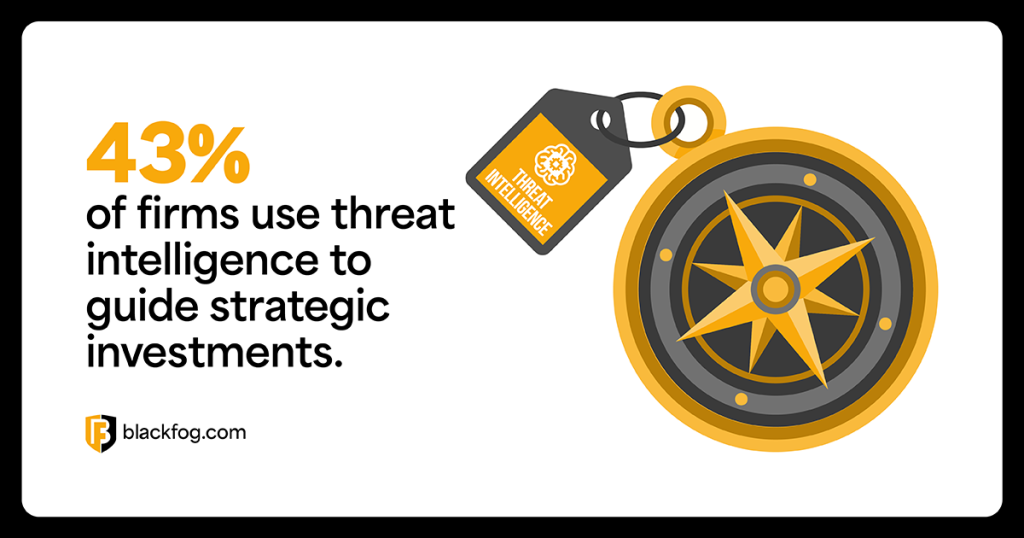
Cyber threats continue to rise in both scale and complexity, making effective defense planning essential. One recent study by threat intelligence provider Recorded Future found that in 2025, 43 percent of enterprises used these solutions to guide strategic investments, reflecting their growing importance in enterprise security programs.
A structured cyber threat intelligence framework helps businesses turn disparate signals into meaningful insight that supports decision making and risk prioritization. It enables security leaders to allocate resources more effectively, focusing on the most relevant threats based on context rather than volume alone.
By providing common processes for collection, analysis and dissemination, a framework offers clearer insight into the threat landscape and supports proactive cybersecurity. Organizations with mature frameworks can anticipate attacker behavior, make faster operational decisions and reduce dwell time, improving their overall defensive posture and strategic resilience.
In practice, this helps detection teams focus on threats linked to known tactics and techniques used by APTs. During investigations, intelligence adds context that speeds analysis and reduces uncertainty around attacker intent. This shortens response times and helps teams contain incidents before they escalate.
Over time, this approach limits opportunities for attackers to move laterally or exfiltrate data. By aligning intelligence with operational processes, organizations shift from reactive response to informed, proactive defense.
Key Components Of An Effective Cyber Threat Intelligence Framework
To support security operations in practice and build an advanced threat protection solution, threat intelligence must be built on clearly defined processes rather than informal analysis or individual expertise. A cyber threat intelligence framework breaks this into specific components, each responsible for a different stage in turning threat information into action.
When these elements are clearly understood and consistently applied, organizations can ensure intelligence is reliable, repeatable and directly tied to security outcomes. Together, the following components ensure threat intelligence drives consistent, proactive and effective cybersecurity action:
- Threat intelligence collection: Gather intelligence from internal telemetry, security tools and trusted external sources to build a comprehensive view of the threat landscape.
- Contextual analysis: Assess threat data to understand attacker tactics, techniques and intent, helping teams separate relevant risks from background noise.
- Prioritization and relevance: Align intelligence with the organization’s industry, assets and risk profile so security efforts focus on the most meaningful threats.
- Dissemination and communication: Share intelligence in a clear and timely manner with security, IT and leadership teams to support informed decisions.
- Operational integration: Apply intelligence directly to detection, investigation and containment processes to improve response effectiveness.
- Feedback and refinement: Continuously review outcomes to improve intelligence quality and adapt as threats evolve.
Building A Framework That Evolves With The Threat Landscape
As risks such as advanced persistent threats, ransomware and AI-powered malware continue to evolve, organizations must recognize that defensive strategies cannot remain static. Attackers adapt quickly, refining their tactics and techniques to bypass existing controls and exploit new opportunities. To remain effective, security teams need to take a proactive approach that anticipates change rather than reacting after damage has occurred.
A cyber threat intelligence framework is a key part of any advanced threat management program. It should be reviewed regularly, updated as new intelligence sources emerge and refined as business risks shift. Ongoing evaluation helps ensure intelligence remains relevant and aligned to real-world threats. By treating the framework as a living part of a firm’s security posture rather than a fixed model, organizations can strengthen long-term resilience and be better prepared to counter advanced and fast-moving attacks.
Share This Story, Choose Your Platform!
Related Posts
The State of Ransomware: March 2026
BlackFog's state of ransomware March 2026 measures publicly disclosed and non-disclosed attacks globally.
Venom Stealer Turns ClickFix Into a Full Exfiltration Pipeline
BlackFog analyzes Venom Stealer, a new MaaS infostealer that uses ClickFix delivery to launch an automated exfiltration pipeline covering credential theft, wallet cracking, and fund sweeping.
What Enterprises Need To Know About Cyber Governance, Risk And Compliance
Learn all about cyber governance, risk and compliance in 2026 and why this must be a consideration at the highest levels of all organizations.
Navigating Essential Cybersecurity Compliance Standards: What To Know
There are a range of cybersecurity compliance standards firms of all sizes must deal with, including mandatory and voluntary frameworks. Here's what you need to know.
Understanding The Requirements Of Information Security Compliance
Learn precisely what information security compliance entails and the various steps that go into making this effective.

The Importance Of Effective Cybersecurity Services For Small Businesses
Find out why cybersecurity services for small businesses are more in-demand than ever as cybercriminals shift their focus to less-sizable enterprises.