 Skip to content

How A Clear Data Loss Prevention Policy Reduces Risk
Data loss is a major problem for businesses of all sizes. But while external factors like ransomware are a constant threat, in many cases incidents can be traced back to unclear or inconsistently applied policies for handling data. When employees are unsure how data should be accessed, shared or stored, mistakes become far more likely. With the potential consequences of data breaches so high, taking the time to develop a clear strategy is not just about meeting compliance obligations. It’s about protecting the business for the long term.
A well-defined data breach prevention policy is a must-have for providing clarity across the organization. It sets clear expectations, reduces uncertainty and helps employees make the right decisions when working with sensitive information. By doing so, it plays a critical role in keeping a company’s most valuable data safe.
How Unclear Policies Increase Data Loss Risk
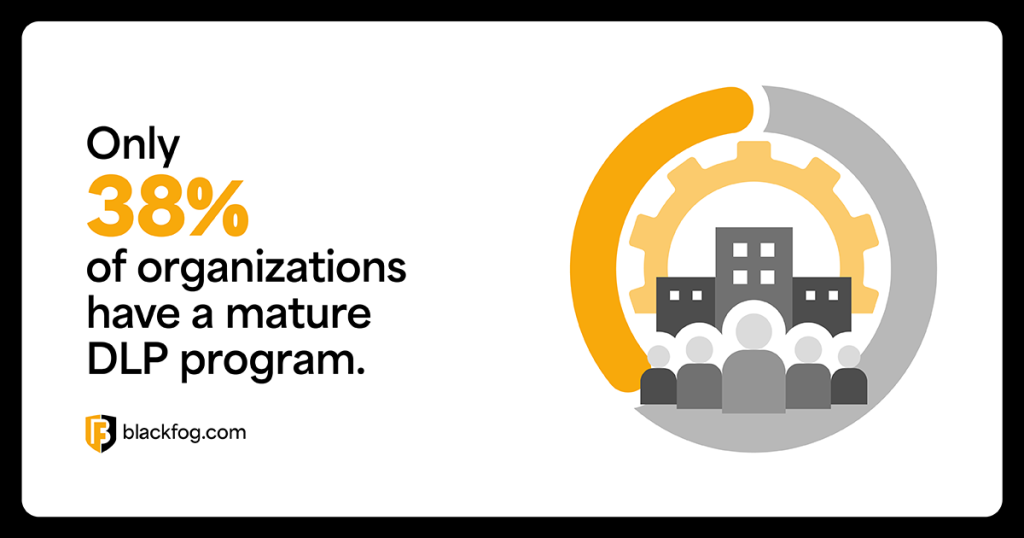
Data loss remains pervasive across organizations of all sizes. Proofpoint’s 2024 Data Loss Landscape report, for example, found 85 percent of organizations experienced at least one data loss incident in the preceding 12 months. What’s more, “careless users” were the most commonly-cited cause of data loss, accounting for over 70 percent of incidents. Yet despite this, it noted less than four in ten businesses (38 percent) have a mature program for data loss prevention.
A lack of clear enterprise data loss prevention policies increases risk because employees are left without firm direction on how to access, share and store sensitive information. At a time when individuals are interacting with data in more ways than ever – through hybrid work models, cloud systems and consumer-grade shadow IT tools – ambiguous or ad-hoc approaches to data protection are insufficient. Without clear guidelines and enforcement, employees are unsure what is allowed, increasing the likelihood of accidental exposure and loss.
What A Data Loss Prevention Policy Is Designed To Do
A data loss prevention policy defines how an organization protects its sensitive information in day-to-day operations. It sets clear standards for how data is created, stored, accessed, shared and transferred across systems and users. By establishing these rules, the policy removes ambiguity and helps employees understand what responsible data handling looks like in practice.
Beyond guidance, a data loss prevention policy plays a critical role in shaping behavior. It promotes a proactive culture focused on preventing data loss before incidents occur rather than reacting after the fact. This approach reduces risk while supporting consistent decision making across teams and environments. At the same time, a well-designed policy helps organizations meet data protection and regulatory requirements by ensuring data is handled in a compliant and auditable manner.
Core Elements That Reduce Risk In A Data Loss Prevention Policy
An effective data loss prevention policy must be comprehensive. To reduce risk, it should address every stage of how data is handled, not just how incidents are reported. Gaps in policy create uncertainty and increase the likelihood of data being misused or exposed. A clear policy provides consistent guidance and helps enforce preventive controls across the organization. Together, the following elements create a practical framework for reducing data loss risk:
- Data classification: Defines what data is sensitive and how it must be handled. This ensures protections are applied where risk is highest.
- Access controls: Set rules for who can access data and under what conditions, reducing unnecessary exposure.
- Data storage standards: Establish where data can be stored and which environments are approved.
- Data transfer rules: Control how data can be shared internally and externally to prevent unauthorized movement.
- Monitoring and enforcement: Sets out how data activity is tracked and how policy violations are addressed.
Common Policy Mistakes That Undermine Risk Reduction
Well-intentioned data loss prevention policies can still fail if they are poorly designed or inconsistently applied. The following issues are common across many organizations and can significantly increase exposure to data breaches if not addressed:
- Policies that are too vague or overly technical: When guidance is unclear or difficult to understand, employees are more likely to make mistakes. Using clear, practical language with real-world examples of what is and is not permitted helps ensure policies are followed.
- One-size-fits-all rules: Policies that don’t reflect real workflows or different roles often lead to workarounds, such as the use of unapproved cloud storage tools when outside the office. Involving stakeholders during policy creation helps align rules with how people actually work.
- Lack of training and reinforcement: A policy that isn’t supported by regular training quickly loses effectiveness. Ongoing education helps keep expectations clear and relevant.
- Inconsistent enforcement: Applying controls unevenly across teams or environments creates gaps attackers can exploit. Consistency is critical to reducing risk.
- Failure to review and update policies: Static policies do not keep pace with evolving threats or technologies. Regular reviews ensure controls remain effective and aligned with current risks.
The Benefits Of Getting A Data Loss Prevention Policy Right
A strong data loss prevention strategy provides the clarity employees need to handle sensitive information responsibly – and clear policy documentation is an essential first step. By defining how data should be accessed, stored and shared, it removes uncertainty and reduces the likelihood of mistakes that can lead to data loss. This clarity is especially important in modern environments where data moves across systems, devices and third parties every day.
When employees understand what is allowed and why it matters, they are better equipped to prevent issues such as exfiltration of data. Over time, a well implemented policy supports a culture of prevention rather than reaction. This not only reduces risk but also helps organizations protect their most valuable information and maintain trust with customers and partners.
Share This Story, Choose Your Platform!
Related Posts
The State of Ransomware: February 2026
BlackFog's state of ransomware February 2026 measures publicly disclosed and non-disclosed attacks globally.
Steaelite RAT Enables Double Extortion Attacks from a Single Panel
Steaelite is a newly emerging RAT that unifies credential theft, data exfiltration, and ransomware in a single web panel, accelerating double extortion attacks.
ClawdBot and OpenClaw: When Local AI Becomes A Data Exfiltration Goldmine
ClawdBot stores API keys, chat histories, and user memories in plaintext files, and infostealers like RedLine, Lumma, and Vidar are already targeting it.
West Harlem Group Assistance Stops Ransomware and Cryptojacking with BlackFog ADX
West Harlem Group Assistance secures its community mission by preventing ransomware and cryptojacking with BlackFog ADX.
Why Traditional Security Fails To Deal With Advanced Persistent Threats
Learn why advanced persistent threats remain a growing cybersecurity risk in 2026 and where organizations must focus to address them.
What Does Advanced Threat Protection Really Mean In 2026?
Find out why businesses need advanced threat protection to cope with the new era of sophisticated, persistent cyber risks.