 Skip to content

How Can You Prevent Viruses And Malicious Code Today?
The way security teams think about viruses and malware has changed significantly in recent years. Once associated with noisy, disruptive attacks, malicious code has become far more covert, designed to persist undetected for extended periods of time. Modern threats increasingly prioritize long-term dwell time, allowing attackers to quietly observe environments, escalate privileges and exfiltrate sensitive data without triggering traditional security alerts.
This approach is characteristic of advanced persistent threats (APTs), which are now among the most serious risks facing organizations. Countering these threats requires a fundamental shift in defense strategies. Effective protection must go far beyond traditional antivirus and antimalware tools, focusing instead on continuous monitoring, behavioral analysis, and detecting and stopping malicious activity even after an initial compromise has occurred.
From Nuisance To Nation States: How Viruses And Malware Have Evolved
Viruses and malware have evolved far beyond the disruptive and opportunistic threats many organizations once expected. Malicious code is now increasingly developed and deployed by well-funded, nation-state-backed groups with clear strategic objectives. These threat actors use malware not only to disrupt systems, but to enable espionage, long-term access and covert data theft.
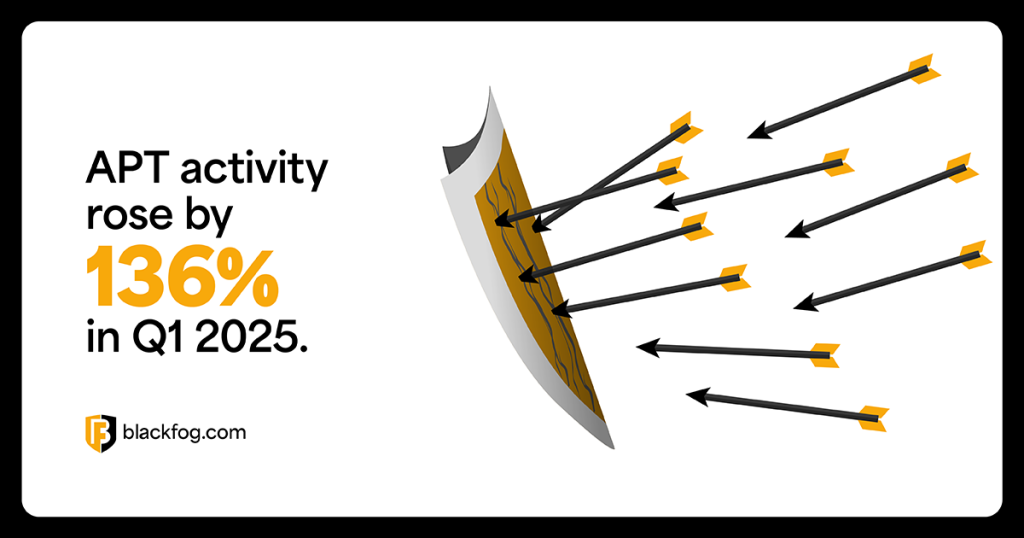
One study found APT activity aimed at US organizations increased by 136 percent in the first quarter of 2025. Of these, 47 percent were attributed to China while 35 percent originated from Russian groups, highlighting the growing role of state-sponsored operations in the modern threat landscape.
Unlike traditional malware, these campaigns rely on stealth and persistence. Nation-state actors use evasive techniques such as abusing legitimate system tools, exploiting previously unknown vulnerabilities and blending malicious activity into normal network behavior. This allows malware to bypass signature-based antivirus and antimalware controls, remain undetected for extended periods and quietly exfiltrate sensitive data over time.
Common Mistakes That Leave Systems Vulnerable
Many organizations continue to focus on preventing known threats, while overlooking security vulnerabilities that advanced viruses and malware actively exploit. These weaknesses are rarely the result of a single failure, but of repeated oversights that allow malicious code to gain an initial foothold and remain undetected. Over time, this creates ideal conditions for long-term access and data exfiltration.
Common errors and oversights include:
- Overreliance on antivirus and antimalware solutions: Signature-based tools are designed to detect known threats, not stealthy or customized malware used by advanced attackers.
- Limited visibility into endpoint behavior: Without continuous monitoring, unusual activity can blend into normal system use and go unnoticed for extended periods.
- Delayed patching and update cycles: Unpatched systems remain a common entry point for malware that exploits known vulnerabilities.
- Excessive user privileges: Broad access rights increase the impact of a single compromised account.
- Lack of focus on data movement: Many defenses monitor initial access, but fail to detect abnormal data exfiltration once attackers are inside.
Foundational Controls: Getting The Basics Right
Even the most advanced threat protection solutions can be undermined if core protections are missing or poorly implemented. Many successful malware and APT-driven attacks do not rely on novel techniques, but on basic gaps that create opportunities for initial access and long-term persistence.
Establishing strong baseline protections reduces the attack surface and limits how far malicious code can move once inside an environment. The following controls form the foundation on which more advanced defenses depend and are essential for detecting and containing modern malware.
- Consistent patch management: Apply operating system and application updates promptly to close known vulnerabilities that malware commonly exploits.
- Strong access controls: Enforce least privilege access and review permissions regularly to limit the impact of compromised accounts.
- Multi factor authentication: Protect remote access, administrative accounts and cloud services from credential-based attacks by ensuring additional verification steps cannot be bypassed.
- Endpoint visibility: Maintain continuous monitoring of endpoint activity to identify abnormal behavior early and act quickly without human intervention.
- Reliable backups: Ensure backups are isolated, tested regularly and protected from unauthorized access.
Behavioral Prevention And AI-Led Detection
Once perimeter defenses are bypassed, preventing attackers from moving freely within the environment becomes the primary challenge. Advanced malware and APT actors are designed to operate quietly, using legitimate credentials and trusted tools to avoid raising alarms. Without continuous behavioral monitoring, these activities can appear normal, allowing threat actors to expand their access and prepare data exfiltration.
Behavior-based prevention focuses on identifying malicious intent through patterns of activity rather than known signatures. By gathering intelligence on the latest attack vectors, monitoring how users, endpoints and applications behave over time, security teams can detect lateral movement, privilege escalation and other indicators of compromise.
AI-led detection strengthens this approach by analyzing large volumes of telemetry to identify subtle anomalies and signals that would be difficult to spot manually. Automated response capabilities then allow suspicious activity to be contained quickly, limiting attacker progress and stopping potential damage before sensitive data is exposed.
First-Line Defense Tips To Strengthen Daily Protection
While advanced threat management tools play a critical role in defending against modern viruses and malware, user behavior remains a key factor in reducing risk. Many successful attacks still rely on simple mistakes, such as weak passwords or poor email hygiene, rather than advanced exploitation. Building strong daily habits across the business helps reduce the likelihood of initial compromise and supports broader security controls. These should include:
- Strong password practices: Use unique passwords for business systems and support them with password managers where possible.
- Phishing awareness: Train users to recognize suspicious emails, links and attachments, and encourage reporting rather than interaction.
- Regular software updates: Ensure devices are updated promptly to reduce exposure to known vulnerabilities.
- Secure remote access: Follow approved processes for remote working and avoid using unsecured networks.
- Least privilege mindset: Limit access to systems and data based on job requirements, reviewing permissions regularly.
Share This Story, Choose Your Platform!
Related Posts
Why Traditional Security Fails To Deal With Advanced Persistent Threats
Learn why advanced persistent threats remain a growing cybersecurity risk in 2026 and where organizations must focus to address them.
What Does Advanced Threat Protection Really Mean In 2026?
Find out why businesses need advanced threat protection to cope with the new era of sophisticated, persistent cyber risks.
How Can You Prevent Viruses And Malicious Code Today?
Preventing viruses and malicious code is harder than ever in a landscape where APTs are a growing threat. Here's what you need to know to stay safe.

Security Vulnerabilities That Enable Persistent Cyber Threats
Understanding the most common security vulnerabilities that enable advanced persistent threats is critical to protecting businesses in 2026.
Rethinking Advanced Threat Management In 2026
What should businesses be considering when planning an advanced threat management solution in 2026?

Building A Cyber Threat Intelligence Framework Fit For Modern Security
What is a cyber threat intelligence framework and why is it an essential part of any organization's defenses in 2026?