Skip to content

Why Enterprise ChatGPT Isn’t A Silver Bullet For AI Security
Generative AI tools like ChatGPT have become embeded across many enterprises over the last couple of years. These solutions are increasingly relied upon to assist with writing, analysis, technical support and other routine functions that keep businesses moving. But alongside the efficiency gains come growing risks, especially around data security and privacy.
With so much potentially confidential content being uploaded to external systems, a single data breach could expose anything from trade secrets to customer data. That means firms must invest in the right tools, starting with ensuring they only use business-focused versions such as Enterprise ChatGPT. However, this alone is not enough, as companies must also keep rigorous controls over how the technology is used.
What Is Enterprise ChatGPT?
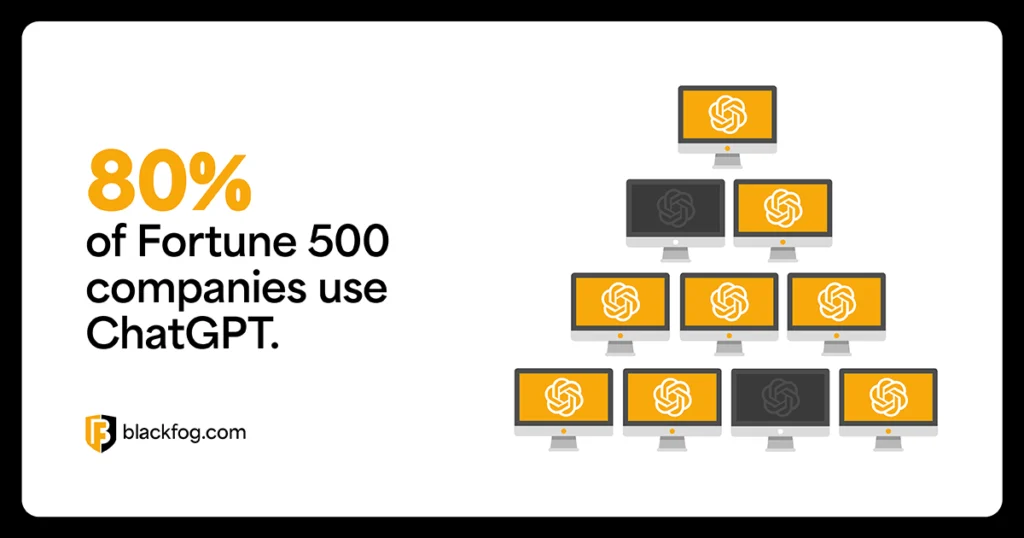
Enterprise ChatGPT is OpenAI’s business-grade version of its popular language model, designed specifically for organizational use. The need for tools like this is clear as use of generative AI tools – and the associated risks – grows. Indeed, OpenAI claimed at the launch of Enterprise ChatGPT that more than four out of five Fortune 500 companies (80 percent) had already registered accounts.
Unlike the free or Plus tiers, this version includes enhanced security features such as data encryption in transit and at rest, SOC 2 compliance and admin-level access controls. Importantly, prompts and outputs are not used to train OpenAI models, ensuring greater data privacy.
It also offers benefits like single sign-on (SSO), usage analytics and customizable workspace settings. These features give businesses greater visibility and control, reducing the risks associated with unmonitored usage.
Enterprise ChatGPT is far from the only generative AI tool with business-focused versions featuring enhanced protection. Microsoft Copilot for Microsoft 365 and Google’s Gemini for Workspace also offer secure, enterprise-grade GenAI access tailored for business environments.
Enterprise Vs Public GenAI Tools: Why It Matters
The difference between enterprise and public GenAI platforms goes far beyond cost or access. While public-facing tools like the free or Plus versions of ChatGPT are easy to use, they typically lack the controls needed to manage risk in business environments. For instance, on these lower tiers, data submitted may be retained for model training, activity can’t be centrally monitored and employees may often use personal accounts, which creates visibility gaps and compliance challenges. Recent research from BlackFog found that 49 percent of employees polled reported using AI tools not sanctioned by their employer at work.
There are a range of risks if enterprises rely on these public tools. Employees may inadvertently expose confidential information or violate privacy regulations, while companies may not even be aware of what data is being shared or where it is stored. Enterprise-grade GenAI significantly reduces these risks.
Options such as Enterprise ChatGPT are built with tools to help businesses monitor usage, protect data and more tightly control who has access – all features that are critical when dealing with sensitive or regulated data. However, they can only work if deployed properly and paired with clear internal policies.
Why Privacy-First Tools Still Need Policy
Using enterprise-grade generative AI tools like Enterprise ChatGPT is a strong start toward safe adoption, but it must be treated as only a first step. While these platforms come with built-in security features, they don’t eliminate the human element. Many data breaches are caused not by flaws in the technology itself, but by the way people use it.
For example, employees may still unknowingly enter sensitive data such as internal financials or customer records into AI tools without understanding how it will be stored or processed. Without well-defined policies and guardrails, even the most secure system can create vulnerabilities and privacy risks.
Relying solely on the strength of the tool gives a false sense of security. Firms must also take proactive steps to define and enforce safe usage. Key elements of a strong policy include:
- Avoiding sharing confidential or regulated data.
- Restricting access to specific teams or roles.
- Delivering clear, recurring user training.
- Monitoring activity and reviewing usage regularly.
- Aligning policies with legal and compliance requirements.
Tools Help, But Culture Secures
Enterprise-grade tools like ChatGPT are essential for safer AI adoption, but they must sit within a broader cybersecurity and data governance strategy. No single platform can prevent breaches caused by poor policy, lack of oversight or user mistakes. True security comes from integrating generative AI into a wider culture of accountability.
That means applying core cybersecurity principles such as Zero Trust, maintaining full visibility over how AI tools are used and enforcing controls that guard against both intentional and accidental data leaks. AI usage must be logged, audited and restricted based on role, data type and business risk.
Strong frameworks, access controls and training are critical, but so is mindset. Businesses that treat AI as part of their threat surface and not a separate toolset will be far better positioned to avoid exposure in an AI-driven world.