Skip to content

Why AI Data Protection And Masking Solutions Are Essential In Modern Cybersecurity
Vast amounts of sensitive information now pass through enterprise AI systems every day. Customer records, financial data, source code and confidential plans are fed into these tools constantly, and each interaction carries the potential for a damaging breach if not handled with extreme care.
However, a major problem is that traditional data loss prevention tools were never designed for this. They struggle to see what information is entering AI platforms or how it is being used. This creates many opportunities for potentially costly data breaches, whether accidental or otherwise.
Good AI monitoring helps close that gap, but visibility alone is not enough. To effectively secure their tools, organizations need a clear data protection strategy that governs every interaction and input, ensuring sensitive information is protected before it comes into contact with AI.
The Growing Risk Of AI Data Leakage
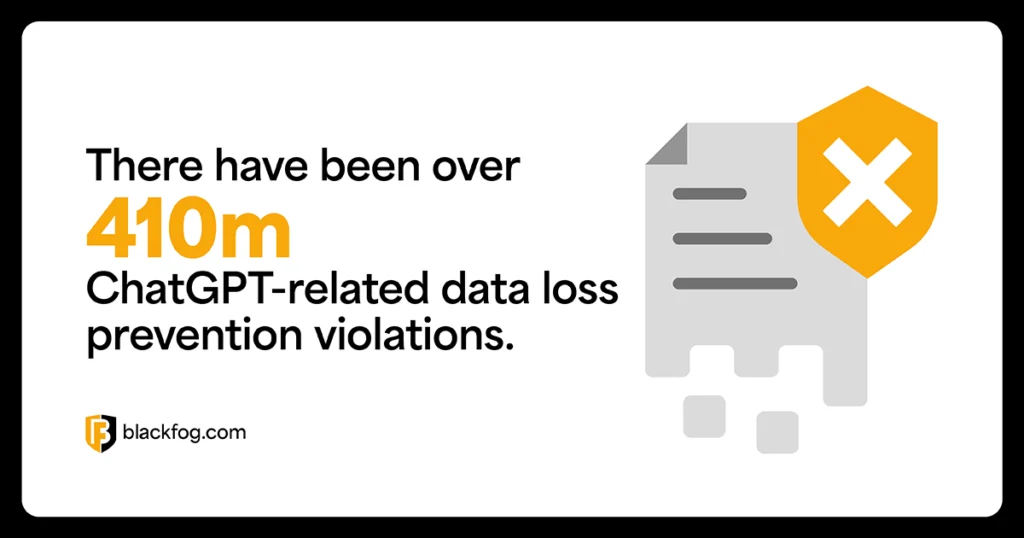
The scale of the data leakage risks facing companies in the AI-first environment is hard to overstate. For instance, research from Zscaler found that over the last 12 months, the volume of enterprise data transferred to AI tools surged by 93 percent. What’s more, there have been more than 410 million recorded data loss prevention violations tied to ChatGPT alone, which included attempts to share data such as Social Security numbers, source code and medical records with the platform.
Once information has been entered into an AI tool, it is often entirely beyond the company’s control. It may be stored, used to train public models or exposed in a breach, with no way to retract it. These risks fall into two categories: careless data handling by employees trying to work faster and deliberate attacks from threat actors who use AI to steal data. Businesses must be alert to both if they are to successfully prevent AI data breaches.
Inadvertent Exposure
Most AI data leakage is accidental. Employees paste customer records, financial details or proprietary code into tools like ChatGPT to draft emails, debug software or summarize documents faster. The problem is where that data goes next. Many consumer platforms store inputs on external servers and use them to train their models, meaning confidential information can resurface in responses to other users or sit permanently outside the company’s control, all without any malicious intent or awareness of the risk.
Malicious Attacks
AI tools are also vulnerable to deliberate attack, with threat actors increasingly viewing them as a data exfiltration channel. External attackers use AI cyberattack techniques like prompt injection to trick models into revealing confidential information or hijack AI agents to move data. Because this activity happens through everyday prompts rather than file transfers, it slips past traditional data loss prevention (DLP) tools and network defenses built to watch for suspicious downloads, leaving the theft invisible until it is too late.
Best Practices For Protecting Sensitive Data In AI Environments
Protecting sensitive data in AI environments calls for layered controls that work together. These best practices safeguard information at every point it meets an AI tool:
- Data classification: Identify and label data by sensitivity so the right protections apply automatically wherever it travels. Organizations can’t protect what they can’t see, making classification the foundation every other control depends on.
- Data masking: Replace sensitive values with realistic but fictional equivalents before data reaches an AI tool. This lets employees use AI on real workflows without exposing the underlying information.
- Anonymization: Strip identifying details so data cannot be traced back to individuals. This supports privacy and regulatory compliance when datasets feed AI systems, ensuring personal information stays protected even when data is processed.
- Redaction: Remove or obscure specific sensitive elements from documents and prompts before they reach an AI tool. Unlike broad blocking, this lets the rest of the content be used freely while keeping critical details out of the model.
- Access controls: Restrict which users and AI systems can reach sensitive data, applying least privilege principles so each has only what its task requires. This limits how far any single exposure can spread.
- Data loss prevention and anti data exfiltration: Monitor and block unauthorized data movement in real-time. Anti data exfiltration goes beyond traditional DLP by stopping sensitive data leaving the endpoint before it reaches an AI platform, catching the fileless transfers legacy tools miss.
These measures only work when applied consistently. This requires clear AI governance to mandate and enforce them across the organization, rather than on a team-by-team or even individual basis.
Why AI Data Protection Is Now A Core Cybersecurity Pillar
AI tools have become one of the biggest routes for sensitive data to leave the business, whether through an employee’s careless prompt or a deliberate attack. As these embed deeper into daily work, that exposure will only grow. This is why data protection can no longer be treated as an afterthought.
Strong defenses that cover both everyday chatbots and the emerging risks of AI agent security are essential to keeping information safe from accidental and malicious breaches alike. For modern enterprises, AI data protection is now a fundamental part of their cybersecurity posture, for maintaining regulatory compliance, adopting AI with confidence and retaining customer trust.
AI Data Protection And Masking Solutions FAQs
How can businesses prevent sensitive data from being exposed to AI tools?
Combine data classification, masking and redaction to strip or obscure sensitive data before it reaches AI tools, backed by access controls.
What is the difference between data masking and data anonymization for AI?
Masking replaces sensitive values with realistic but fake equivalents, while anonymization strips identifying details so data cannot be traced to an individual.
What types of information should be protected before using AI platforms?
Protect anything sensitive or regulated, including customer and employee personal data, financial records, health information, source code and confidential business plans.
How do AI data protection solutions help meet GDPR requirements?
They keep personal data from being exposed to or stored by AI tools through masking, anonymization and access controls, supporting GDPR data minimization.
Can data masking reduce the risk of AI-related data leaks?
Yes. By replacing real data with fictional equivalents before it reaches an AI tool, masking ensures sensitive information is never exposed.
What should organizations look for in an AI data protection solution?
Look for real-time, endpoint-level protection that masks data and stops exfiltration before it leaves the device, covering both chatbots and AI agents.