BlackFog shines as innovator with anti data exfiltration
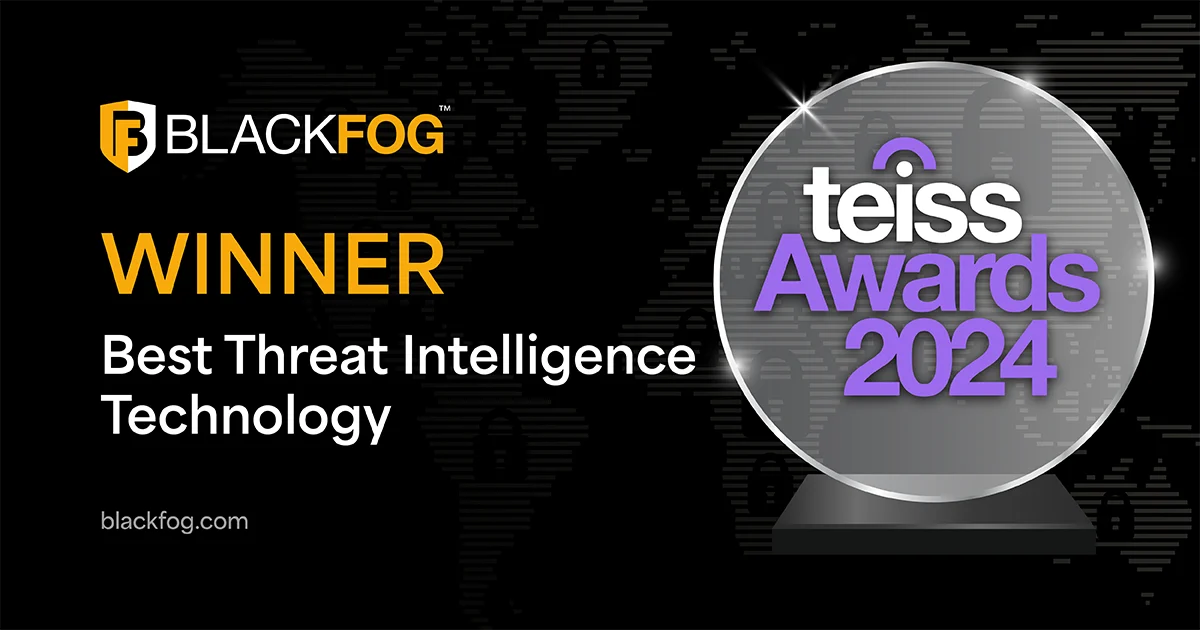
Cheyenne, Wyoming, March 4—BlackFog, the leader in ransomware protection and anti data exfiltration, has been honored with the Best Threat Intelligence Technology award from teissAwards2024. This award highlights BlackFog’s ongoing commitment to safeguarding an organizations most valuable asset, its data, from the latest AI based threats.
The teiss awards celebrate excellence in cyber and information security with a dedicated focus on emerging and innovative technologies. The esteemed panel of independent judges and the comprehensive evaluation process makes the renowned teiss awards an immensely sought after acknowledgement. On behalf of the teissAwards2024, Russell Lawson commented, “BlackFog has set the standard for innovation in the Information Security industry. This award is a testament to the skill, ingenuity, and vision of its creators.”
Ransomware attacks are now at an all-time high, targeting all organizations and sectors. According to BlackFog’s 2023 Annual Ransomware report, publicized ransomware attacks were up 68% over 2022, with the UK being one of the most targeted countries in the world. A trusted source for global ransomware data, BlackFog has been monitoring and reporting the latest threat intelligence, including the top ransomware variants, threat groups, targeted sectors and locations since 2020.
“We are thrilled to receive this award in such a competitive category as it is a true testament to the value of anti data exfiltration (ADX) in protecting organizations from data loss, breaches and ultimately extortion”, said Dr Darren Williams, CEO & Founder of BlackFog. “Data is the target of all modern cyberattacks and without it the attacker has nothing to leverage”.
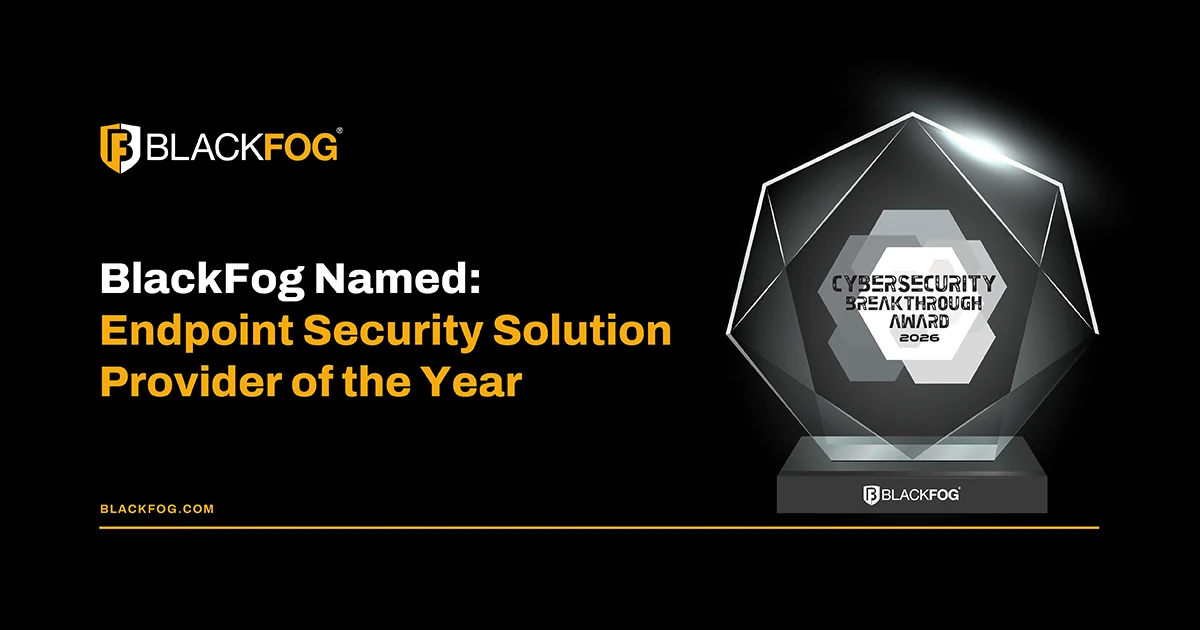
This achievement marks BlackFog’s sixth award win in the last year. BlackFog has been previously recognized for its achievements in Data Leak Detection and Ransomware Protection, as well as overall company innovation. The company has also been awarded for its Virtual CISO offering and its monthly Ransomware Trend Report.
About BlackFog
BlackFog is the category-defining vendor in anti data exfiltration (ADX). Founded in 2015, the company invented ADX on the thesis that the endpoint is the only control point capable of stopping data from leaving an organization, an architectural bet that has now been validated across three exfiltration vectors: ransomware, shadow AI, and autonomous AI agents. BlackFog’s endpoint-native platform protects more than 500 enterprises, government agencies, and critical infrastructure operators worldwide.
The company is the publisher of the annual State of Ransomware report and the BlackFog/Sapio Shadow AI Research, the most-cited primary research in the category. BlackFog’s recognition includes the teiss Awards 2026, the AI Excellence Award 2026, the Cybersecurity Excellence Awards 2026, and the Cybersecurity Breakthrough Award. Headquartered in San Francisco with international operations in London and Belfast. Learn more at blackfog.com.
Share This Story, Choose Your Platform!
Related Posts
The State of Ransomware: May 2026
BlackFog's state of ransomware May 2026 measures publicly disclosed and non-disclosed attacks globally.
BlackFog Honored with 2026 MSP Today Product of the Year Award
BlackFog’s ADX Vision won the 2026 MSP Today Product of the Year Award for helping MSPs detect Shadow AI risks and protect data.
Snowflake Data Breach Explained: Timeline, Impact, and Key Lessons
The 2024 Snowflake data breach exposed 165+ organizations through stolen credentials and absent MFA. Here’s the timeline, impact, and key lessons for cloud security.
RAG Poisoning: How Hidden Prompts Steal Corporate Data
RAG poisoning lets attackers hijack AI assistants like Copilot to exfiltrate corporate data. Here is how the attack works and how to defend against it.
What Are Attack Surface Reduction Rules And How Should Firms Implement Them?
What are attack surface reduction rules? Learn what this process involves and how it can be used to block common cyberattack behavior.
How To Measure A Reduction In Attack Surface Over Time
What must firms keep in mind in order to ensure they're seeing progress in their attack surface reduction efforts?