Skip to content


A Step-By-Step Guide To Attack Surface Reduction
As digital environments become more complex, effective attack surface management (ASM) has become one of the most pressing challenges in modern cybersecurity. Network sprawl driven by cloud adoption, remote work and the growing use of unsanctioned tools and devices means organizations must handle more endpoints than ever before.
This gives potential attackers many more opportunities to target businesses and exfiltrate data. As such, a reactive approach to spotting threats is not enough. Businesses must take active steps to reduce the number of unnecessary entry points across their infrastructure and ensure those that remain are properly secured.
Attack surface reduction is an essential first step in building a stronger defensive posture against today’s growing and increasingly sophisticated cyber threats.
What Is Attack Surface Reduction And Why Does It Matter?
Attack surface reduction is the process of systematically identifying and eliminating unnecessary entry points across an organization’s digital environment. While endpoint detection and response tools focus on spotting and reacting to threats after they reach devices, attack surface reduction takes a different approach, aiming to remove exploitable assets and pathways before attackers can target them.
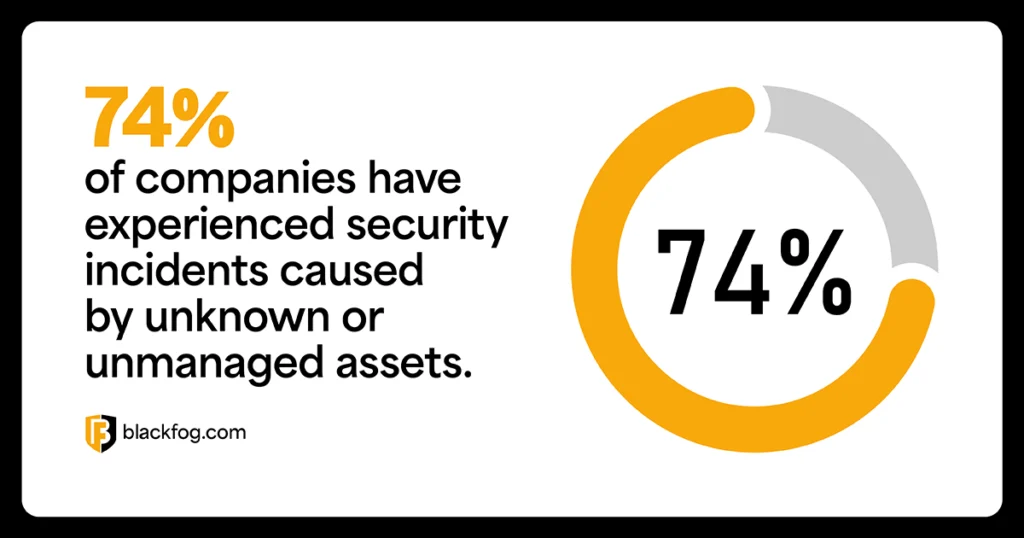
Unknown and unmanaged assets are now one of the biggest risks businesses face. For example, one study by Trend Micro found that 74 percent of companies had experienced security incidents caused by these weaknesses. With networks growing more complex by the day, proactively shrinking the number of exploitable entry points is one of the most effective ways to reduce overall cyber risk.
A Step-by-Step Guide To Attack Surface Reduction
Attack surface reduction is not a one-off project, but an ongoing discipline that should include several essential elements. The following steps outline a practical framework for systematically identifying and eliminating unnecessary exposure points across the organization’s digital environment.
1. Map The Full Attack Surface
Before any reduction effort can begin, organizations need a complete picture of every asset connected to their network. This means going beyond a standard IT inventory to catalog both internal and external exposure points, including cloud instances, APIs, third-party integrations and remote endpoints such as employee-owned devices. Automated discovery tools that continuously scan across all environments are essential, as they can uncover overlooked assets such as forgotten subdomains, legacy development servers and test environments that manual audits typically miss.
2. Eliminate Redundant And Exposed Entry Points
With a full inventory in place, the next step is to assess which assets are genuinely necessary and which are creating unnecessary risk. Not every endpoint serves a current business purpose, yet each redundant one represents an exploitable weakness. Organizations should systematically evaluate each asset and decommission those that are no longer needed. This also involves revoking old API keys and shutting down services that remain publicly accessible. The goal is to ensure every remaining entry point has a clear operational reason to exist.
3. Reduce The External Footprint
The external footprint refers to any asset visible or accessible from the public internet, including websites, remote access portals, cloud services and exposed APIs. To reduce this without disrupting operations, organizations should move non-essential services behind VPNs or identity-based access controls, limit inbound traffic to only what business functions require and ensure that tools used solely by internal teams are never exposed to the wider internet.
4. Get Shadow IT Under Control
Shadow IT refers to any application, service or device used by employees without approval or oversight from the security team. It poses a particular threat because these assets often bypass standard security controls, leaving sensitive data exposed on tools IT has no visibility into. Organizations should deploy discovery solutions to identify unsanctioned tools in use, consolidate overlapping applications onto approved alternatives and establish clear policies that make it easier for employees to request new tools through official channels.
5. Treat Reduction As A Continuous Cycle
Attack surface reduction is never complete. As organizations adopt new tools, onboard employees and integrate with new partners, fresh entry points are created constantly. Continuous attack surface monitoring is essential to keep pace with this change, ensuring that newly discovered assets are immediately assessed for whether they need to be secured, brought under management or removed entirely. Without ongoing attention, the benefits gained from any reduction efforts will quickly fade.
Key Challenges To Overcome
While the benefits of attack surface reduction are clear, organizations may encounter a range of practical obstacles when putting plans into action. Understanding the below challenges and planning for them in advance is essential for any successful program.
- Lack of visibility into all assets: In complex multi-cloud and hybrid environments, it can be difficult to build a complete inventory. Investing in automated discovery tools that work across every environment helps close these gaps.
- Employee resistance: Teams that rely on unsanctioned tools may push back against reduction efforts. Clear communication about the reasons behind changes, combined with sanctioned alternatives that meet their needs, helps secure buy-in.
- Resource constraints: Security teams are often stretched thin, making it hard to prioritize reduction alongside daily operations. Automating routine discovery and remediation tasks frees up time for higher-value work.
- Siloed teams and fragmented tooling: When different departments use different systems, maintaining a unified view becomes difficult. Consolidating onto integrated platforms provides a single source of truth across the organization.
How Attack Surface Reduction Fits Into A Broader ASM Strategy
Attack surface reduction is a critical part of protecting networks against today’s threats, but it is not the only element of effective attack surface management solutions. It works best as part of a wider strategy that combines continuous monitoring, risk prioritization and threat intelligence integration to deliver a complete picture of organizational exposure. Reduction removes the unnecessary entry points, while monitoring and prioritization ensure the remaining ones are properly defended.
Taken together, these capabilities help businesses stay ahead of evolving threats such as ransomware and data exfiltration. In today’s rapidly expanding digital environments, a proactive and integrated approach to managing the attack surface is no longer optional.
FAQs On Attack Surface Reduction
What should organizations prioritize first when reducing their attack surface?
Start with visibility. Organizations cannot reduce what they cannot see, so the first priority is building a complete inventory of every asset across internal and external environments. From there, the most exposed and least essential assets should be addressed first.
How do unused assets increase security risk?
Unused assets such as legacy systems, dormant accounts and forgotten test environments are rarely patched or monitored. This makes them easy targets for attackers, who can exploit them as entry points into the wider network without triggering standard security alerts.
Can attack surface reduction be automated?
Yes, significant parts of the process can be automated. Modern tools can continuously discover new assets, flag unnecessary exposure and even remediate common issues automatically, reducing the burden on security teams while maintaining pace with rapidly changing environments.
How often should organizations review their attack surface?
Reviews should be continuous rather than periodic. Given how quickly environments change, point-in-time audits leave dangerous gaps. Automated monitoring combined with regular strategic reviews ensures exposures are identified and addressed as they emerge.