Skip to content

Attack Surface Monitoring Explained, From Coverage To Key Metrics
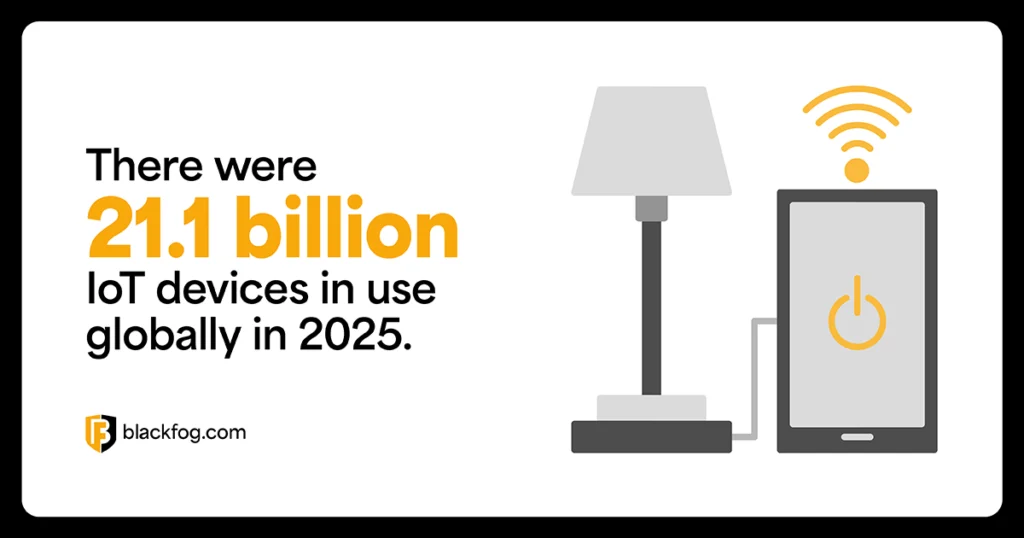
Today’s networks are no longer confined to the office. Cloud services, remote workers, connected devices and third-party integrations have combined to create sprawling digital environments that security teams struggle to fully see, let alone secure. For instance, the number of connected IoT devices alone worldwide grew to 21.1 billion in 2025, up 14 percent on the previous year, according to IoT Analytics, and this is only part of a much wider network environment that businesses must protect.
A strong attack surface management solution is essential in keeping this under control. One key element of this is consistent and effective attack surface monitoring. This refers to the continuous observation of every asset, endpoint and exposure point across an organization’s digital footprint, identifying changes and risks in real-time so that issues can be addressed before they escalate into serious incidents.
What Needs To Be Monitored Across The Attack Surface?
A modern attack surface spans much more than traditional network infrastructure. Effective monitoring requires coverage across every category of asset that could provide an entry point for attackers. Gaps in any one area can undermine the entire effort, so key areas to consider include:
- Cloud infrastructure: Misconfigurations and publicly exposed resources are among the most common causes of cloud breaches, making continuous visibility of tools like Software-as-a-Service applications essential.
- Web applications and APIs: Exposed APIs and unpatched web applications are frequently exploited as direct pathways into sensitive data and backend systems.
- Employee endpoints and mobile devices: Every device that connects to corporate resources represents a potential endpoint that cybercriminals can use to exfiltrate data, particularly when used on unsecured networks.
- Third-party integrations: Vendor connections extend the attack surface into environments the organization does not directly control, making them a growing target for supply chain attacks.
- Externally facing assets: Domains, IP ranges and internet-exposed services are the first things attackers scan, so any unknown or forgotten asset in this category is a prime target.
How Frequently Should Monitoring Occur?
Periodic reviews of the network environment are not enough. By the time a weekly or monthly scan is complete, the attack surface has already changed, as new devices, applications and configurations appear and disappear constantly. At the same time, attackers are moving faster than ever. The growing use of AI in hacking tools means vulnerabilities are now being found and weaponized within hours, rather than days or weeks. To keep pace, businesses must invest in automated attack surface monitoring solutions that deliver continuous, real-time visibility across every part of the digital environment.
What Should Trigger A Security Alert?
Effective monitoring is only as good as the signals it generates. Security teams need to know what warrants attention and what can safely be filtered out. Key events that should trigger alerts include:
- New or unknown assets: Unexpected devices or services appearing on the network often indicate shadow IT or, in some cases, attacker activity such as the deployment of unauthorized tools.
- Configuration changes: Unauthorized modifications to critical systems like firewalls, access controls or cloud settings can signal either insider threats or a compromised account.
- Newly exposed ports or services: Assets that suddenly become publicly accessible may be misconfigured or deliberately opened by an attacker establishing a foothold.
- Signs of data exfiltration: Unusual outbound traffic patterns, particularly to unknown destinations or at odd hours, are among the clearest indicators of an active breach.
How To Triage And Prioritize Alerts
The sheer volume of alerts generated by modern monitoring tools can overwhelm security teams, leading to alert fatigue and genuine threats being missed. Effective, automated triage is essential for prioritizing what matters most, while good attack surface reduction can also help tackle alert overload.
Key criteria include the criticality of the affected asset, the level of exposure, whether the vulnerability is being actively exploited in the wild and the potential business impact if compromised. Integrating threat intelligence provides the wider context needed to make these judgments quickly and ensure resources are focused where they will have the greatest effect.
Common Mistakes That Undermine Monitoring
Even well-resourced monitoring programs can fall short when common pitfalls are not addressed. Key mistakes to watch for include:
- Fragmented tooling: When different teams use disconnected systems, blind spots emerge between them that attackers can exploit undetected.
- Relying on periodic scans: Point-in-time assessments miss the constant changes happening across modern environments, leaving fresh exposures unnoticed for days or weeks.
- Unfiltered alert floods: Overwhelming teams with raw notifications leads to genuine threats being buried in noise and ignored.
- Ignoring third-party and shadow IT: Assets outside direct IT control are frequently excluded from monitoring, creating obvious gaps for attackers to target.
Key Metrics For Measuring Monitoring Performance
To ensure monitoring is delivering real value, businesses must track how well their programs are performing and use these insights to drive continuous improvement. Key metrics to measure include:
- Mean time to detect (MTTD): How quickly new exposures or threats are identified once they appear.
- Mean time to respond (MTTR): The speed at which alerts are triaged and remediated.
- Asset coverage: The percentage of assets across cloud, endpoint and third-party environments under continuous monitoring.
- False positive rate: The proportion of alerts that do not represent genuine threats, which indicates how well-tuned the system is.
Attack surface monitoring is foundational to modern cybersecurity. As digital environments grow and attackers move faster than ever, businesses with comprehensive, well-prioritized monitoring will be best placed to stay ahead of ransomware, data exfiltration and other emerging threats.
Attack Surface Monitoring FAQs
What types of assets should be included in attack surface monitoring?
Monitoring should cover every asset that could serve as an entry point, including cloud infrastructure, web applications, APIs, employee endpoints, mobile devices, third-party integrations and externally facing assets such as domains and IP ranges.
How frequently should attack surface monitoring be performed?
Monitoring must be continuous rather than periodic. Automated tools that deliver real-time visibility are essential, as attackers can now exploit newly disclosed vulnerabilities within hours.
What triggers an alert in attack surface monitoring?
Alerts should be triggered by events such as new or unknown assets appearing on the network, unauthorized configuration changes, newly exposed ports or services and signs of data exfiltration such as unusual outbound traffic patterns.
How do you measure the effectiveness of attack surface monitoring?
Key metrics include mean time to detect new exposures, mean time to respond to alerts, the percentage of assets under continuous monitoring and the false positive rate, which reflects how well-tuned the system is.