Skip to content

What To Look For When Evaluating Attack Surface Management Solutions
The modern attack surface is larger and more complex than ever before. An explosion of connected devices, driven by cloud adoption, remote working and the emergence of the Internet of Things has created sprawling digital environments where every endpoint represents a potential entry point for attackers. Left unmanaged, this complexity significantly increases the risk of costly data breaches, ransomware incidents and regulatory penalties.
Having the right attack surface management (ASM) solutions in place is essential to counter these threats. These tools provide the visibility, prioritization and preventive capabilities needed to protect every potential endpoint, both from infiltration by attackers and from the data exfiltration that follows successful breaches.
Why The Right ASM Solution Matters
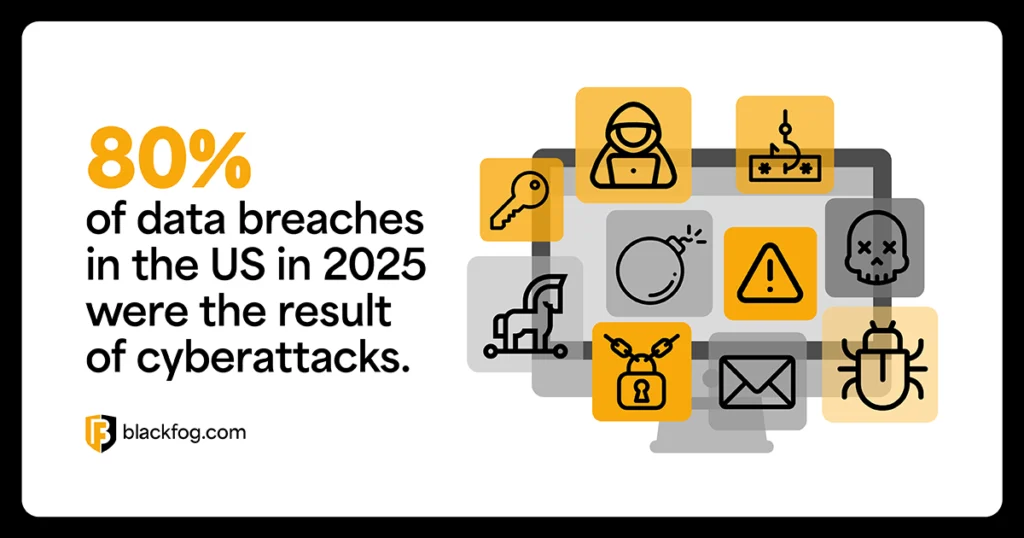
The scale of today’s threat environment makes choosing the right tools more important than ever. According to the Identity Theft Resource Center, reported US data breaches reached a record high in 2025 with 3,322 incidents – of which 80 percent were said to be the result of cyberattacks. Good ASM plays a central role in minimizing the risk of these incidents, through continuous monitoring and targeted reduction of exposure.
However, not all solutions are created equal. Choosing the wrong one can leave dangerous blind spots, overwhelm teams with unfocused alerts and waste budget. The right ASM solution must work as one part of a broader proactive security posture to give IT teams the information they need to protect their systems before an incident takes place.
Essential Capabilities To Look For In An ASM Solution
The most important quality in any ASM technology is the ability to deliver complete coverage across every part of the network, including the hidden assets and shadow IT endpoints that traditional tools often miss. Without this foundation, even the most sophisticated features will leave gaps for attackers to exploit. Beyond this, key capabilities to look for include:
- Continuous discovery and visibility: The solution must identify every asset in real-time across cloud, on-premises, remote and third-party environments, including unmanaged and unsanctioned tools that sit outside standard IT oversight.
- Risk prioritization: Context-aware assessment of vulnerabilities based on exploitability, asset criticality and potential business impact ensures security teams focus on what matters most rather than chasing every alert.
- Prevention-first capability: The best tools go beyond identifying risks to actively reduce the attack surface through automated remediation, closing exposures before attackers can take advantage of them.
- Threat intelligence integration: Embedded, real-time intelligence strengthens decision-making by showing which vulnerabilities are being actively exploited in the wild.
- Scalability: The solution must be able to grow with the organization and adapt as new environments, tools and integrations are added, without losing coverage or performance.
Key Criteria For Comparing Solutions
Once an organization is satisfied that shortlisted tools offer the necessary capabilities, the next step is to evaluate how well potential solutions will fit into the existing environment. A technically strong solution that clashes with current processes or creates friction for users will struggle to deliver its full value. Key criteria to think about include:
- Integration with existing security stack: The solution should work seamlessly alongside security information and event management (SIEM) systems, endpoint detection and response (EDR) tools and other assets already in use, allowing teams to act on insights without switching between disconnected platforms.
- Ease of deployment and management: Tools that can be implemented without significant overhead or specialist expertise deliver value faster and reduce the burden on stretched security teams.
- Reporting and dashboards: Clear, well-designed interfaces that present alerts and insights in a digestible format are essential for both day-to-day operations and executive-level visibility.
- Vendor reputation and support: A strong track record, responsive customer support and a clear product roadmap all indicate a partner that will deliver long-term value rather than a one-off purchase.
Common Pitfalls To Avoid When Choosing An ASM Solution
Even businesses with a clear understanding of what they need can fall into familiar traps when selecting an ASM solution. Common mistakes to avoid include:
- Prioritizing cost over capability: Choosing the cheapest option often means accepting coverage gaps that will cost far more if a breach occurs.
- Underestimating integration needs: Tools that cannot connect with existing systems create silos and increase the risk of important alerts being missed.
- Relying on periodic scans: Solutions built around scheduled assessments leave dangerous windows of exposure that attackers can exploit.
- Overlooking third-party and shadow IT coverage: Tools that fail to discover unmanaged assets leave blind spots in the areas attackers most frequently target.
Why ASM Must Be Part Of A Wider Security Strategy
The right attack surface management solutions help businesses build proactive defenses that can spot and shut down malicious activity before it succeeds, including data exfiltration attempts. However, no single tool can do this alone. Effective ASM works alongside endpoint protection, identity management and threat intelligence to deliver layered, comprehensive security.
Choosing the right solution means selecting a tool that delivers continuous visibility, prioritizes risk intelligently and enables proactive prevention. These are the foundations businesses need to stay resilient against whatever threats the future may hold.
Attack Surface Management Solutions FAQs
What capabilities should an attack surface management solution provide?
Effective solutions deliver continuous asset discovery, real-time monitoring, risk prioritization, threat intelligence integration and automated remediation. Together, these capabilities ensure every exposure point across cloud, endpoint and third-party environments is identified, assessed and addressed before attackers can exploit it.
How do attack surface management solutions integrate with existing security systems?
The best ASM tools connect seamlessly with SIEM, EDR and threat intelligence platforms. This enables unified visibility, coordinated response and the ability to act on insights without switching between disconnected systems.
What is the difference between an ASM platform and traditional security tools?
Traditional tools are largely reactive, focusing on detecting threats after they reach systems. ASM platforms take a proactive approach, continuously mapping the attack surface and helping organizations reduce exposure before attackers can find and exploit weaknesses.
Why is automation important in attack surface management solutions?
Modern attack surfaces change constantly, and manual processes cannot keep pace. Automation enables continuous discovery, real-time triage and rapid remediation, reducing the burden on security teams while ensuring exposures are identified and addressed faster than attackers can act.